Best Places to Visit in Hong Kong:
By Faris Khammash · · China
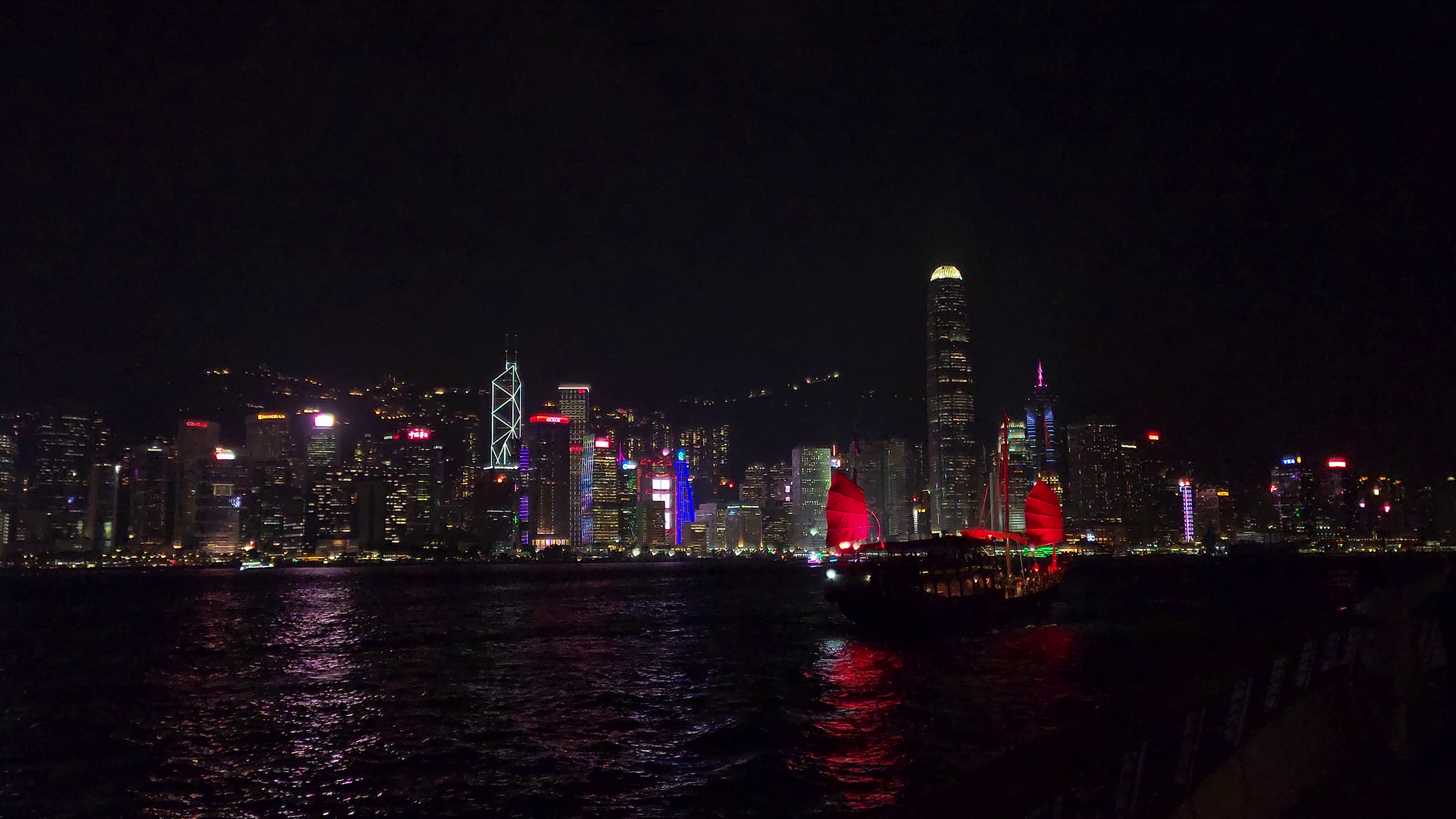
Architecture, Culture & Unforgettable City Views
From historic neighborhoods and contemporary art museums to the neon lit skyline that you can view from one of the world's most famous harbors, here are some of my favorite places to explore in Hong Kong.
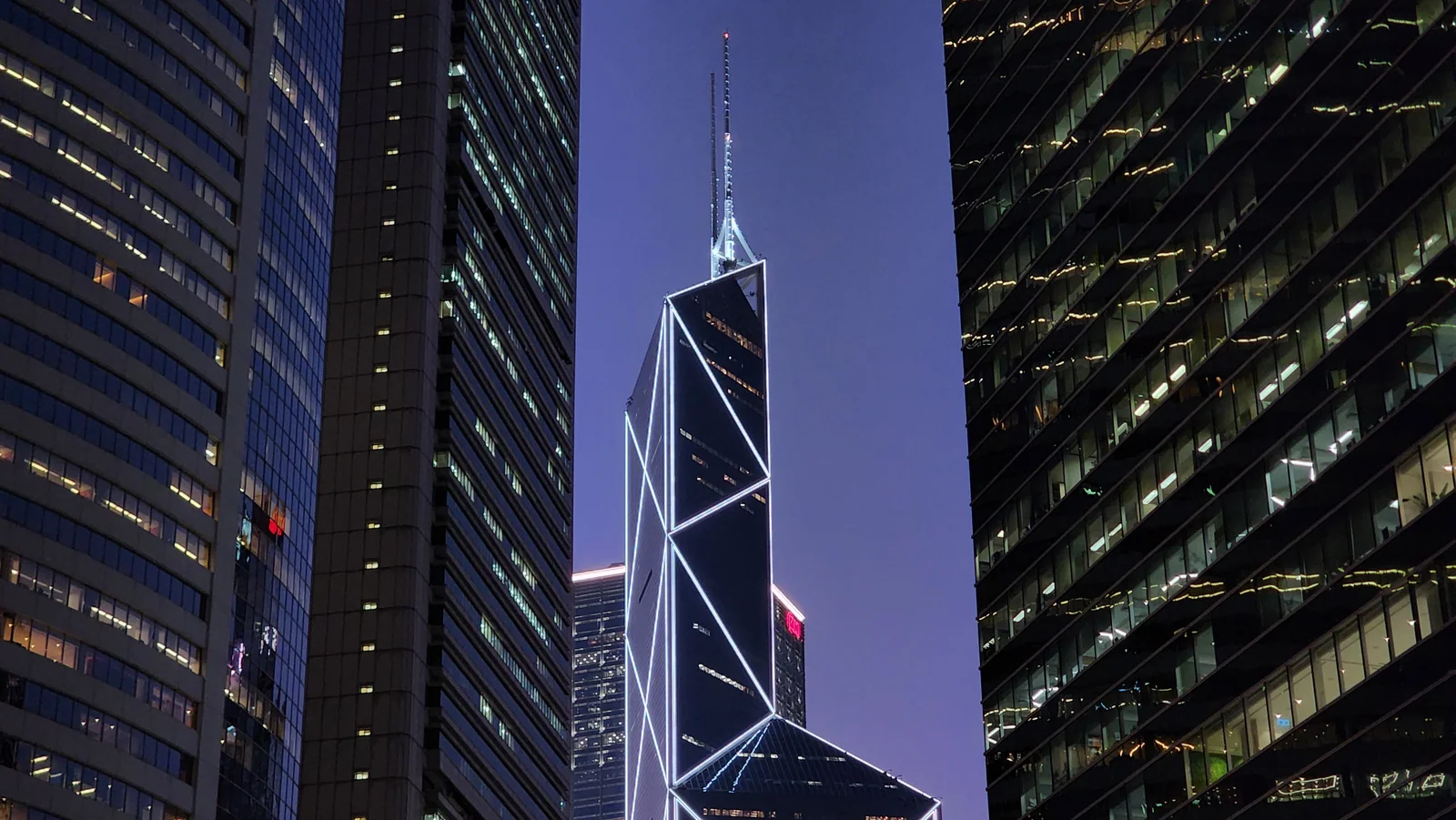
Why Hong Kong Is One of My Favorite Cities
I've traveled to quite a few cities around the world, and Hong Kong easily ranks among my favorites. In fact, I'd put it second, right behind Tokyo.
Before visiting Hong Kong, I had spent approximately six months living and working in mainland China. It was an incredible experience, and one that gave me a much better understanding of Chinese culture and everyday life.
However, it also made me appreciate just how different Hong Kong is from the mainland.
For someone visiting China from the West, there's often a significant adjustment period. The language barrier, differences in everyday customs, and reliance on local apps like Alipay and WeChat can make even simple activities feel unfamiliar at first (I saw a homeless guy asking for money with QR Codes; that's how much cash doesn't get used there). That's part of what makes traveling in mainland China so interesting, but it can also be challenging for first-time visitors.
Hong Kong felt different.
Although it's part of China, Hong Kong has its own history and cultural identity. Its long period under British administration left a noticeable influence on the city's architecture, institutions, transportation, and everyday life.
English is widely used in tourist areas, getting around is relatively straightforward, and the city feels like a fascinating meeting point between Eastern and Western cultures.
I also found Hong Kong remarkably clean and easy to navigate, particularly compared with some of the places I experienced while living on the mainland. Of course, China is enormous and its cities vary considerably, but that was my personal impression.
What impressed me the most, however, was the city itself.
Hong Kong has an extraordinary urban landscape. Skyscrapers seem to stretch endlessly into the mountains, residential buildings rise above narrow streets, and one of the world's most recognizable skylines overlooks Victoria Harbour.
Yet between all that modern development, you'll find traditional neighborhoods, bustling markets, local basketball courts, and museums dedicated to art and culture.
I enjoyed practically everything about the city, from its architecture to simply walking around and exploring.
It's somewhere I would like to visit more often.
If you're planning a trip, here are some of the places I'd recommend visiting.
1. The M+ Museum: Hong Kong's Contemporary Art Scene
Location: West Kowloon Cultural District
Recommended time: 2–3 hours
Hong Kong has an impressive cultural scene, and one of the best places to experience it is the M+ Museum.
Opened on November 12, 2021, M+ is a showcase of modern and contemporary visual culture. That includes art, architecture, design, photography, and moving images.
Unlike traditional art museums that primarily display paintings and sculptures, M+ explores how art and design relate to society, politics, technology, and everyday life.
The museum's collection includes works from Hong Kong, mainland China, other parts of Asia, and around the world.
The building is an attraction in itself
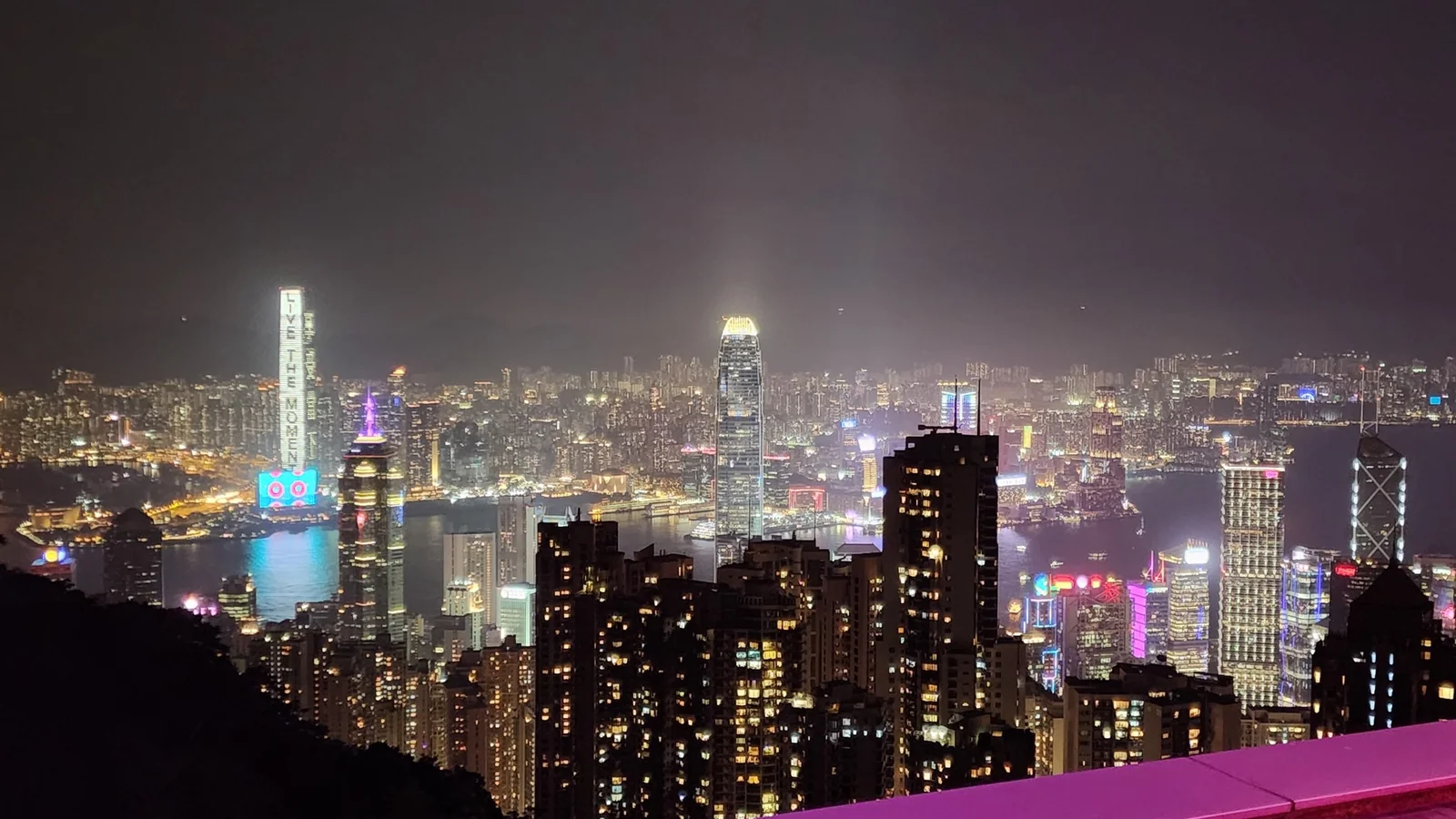
Designed by the Swiss architectural firm Herzog & de Meuron, M+ occupies an enormous building overlooking Victoria Harbour (The LED screen with "Live the Moment" towereing above it).
Its distinctive shape resembles an upside-down T, with a horizontal exhibition structure beneath a tall tower.
One particularly interesting detail is the railway tunnel running directly beneath the museum.
Rather than working around it entirely, the architects incorporated the existing Airport Express tunnel into their design, creating a dramatic underground exhibition area known as the Found Space.
The building also features a large LED facade facing Victoria Harbour (blue screen with pink donuts in the image above), which displays moving-image artwork and transforms the building into a giant digital canvas after dark.
Why you should visit
Even if contemporary art isn't usually your thing, M+ is worth considering for its architecture alone.
The exhibitions also provide an opportunity to learn about Hong Kong and the wider region beyond the usual tourist attractions.
Planit Traveler Tip: M+ is generally closed on Mondays. Some public spaces, including the Roof Garden and certain interior areas, are free to visit. The standard exhibition ticket is currently HK$190, but check the official website for updated admission prices and special exhibitions.
2. K11 MUSEA: A Shopping Mall Unlike Any Other
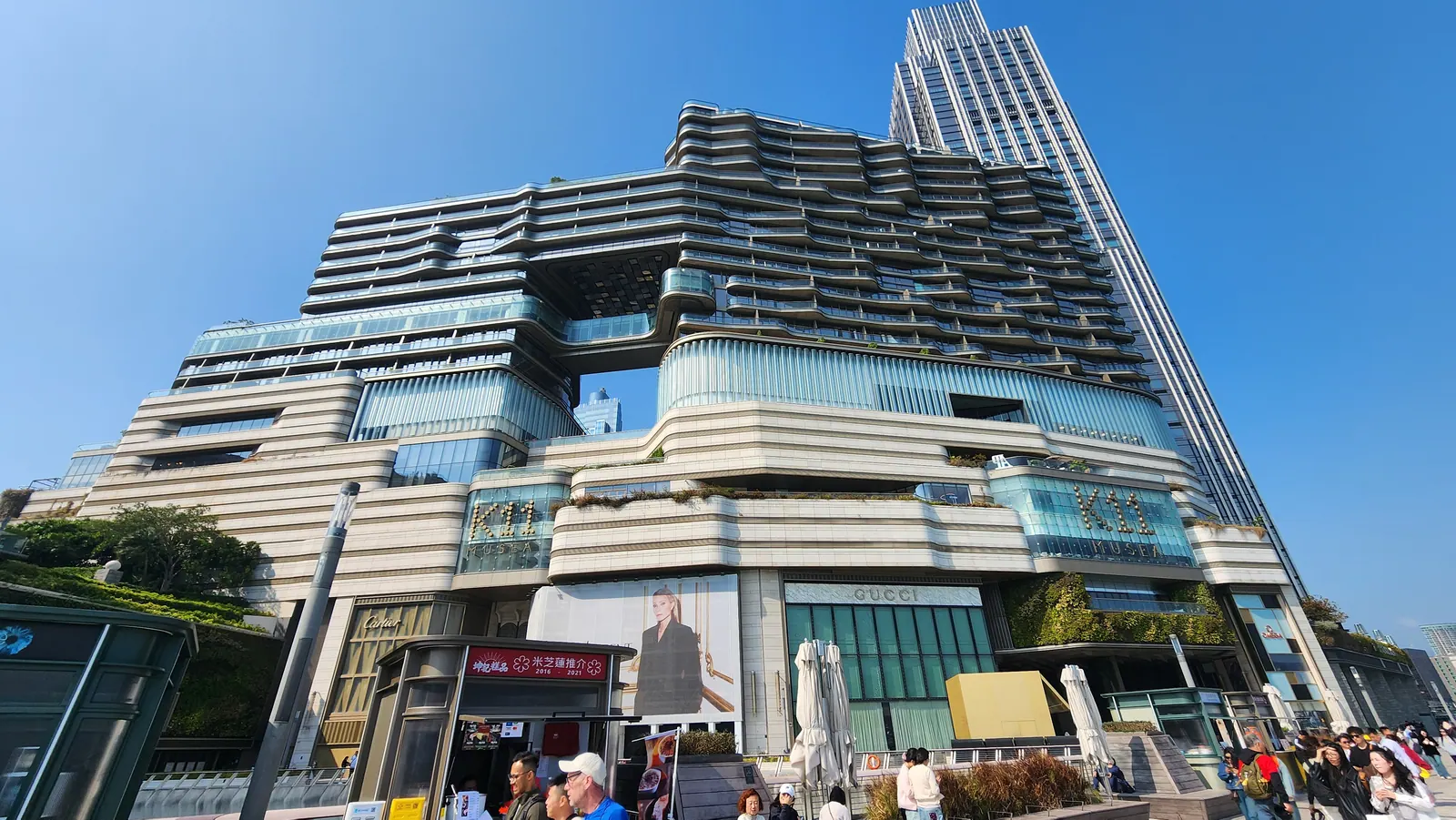
Location: Tsim Sha Tsui, Kowloon
Recommended time: 45–90 minutes
I don't usually consider shopping malls must-visit attractions when traveling, but K11 MUSEA is an exception.
Located directly along Victoria Harbour, K11 MUSEA is a shopping and cultural complex that feels more like an elaborate art museum.
The name comes from the phrase "A Muse by the Sea," which reflects the building's combination of art, architecture, retail, and culture.
Opened in 2019, the complex was developed over approximately ten years with contributions from more than 100 architects, artists, and designers.
And you can certainly tell.
An architectural masterpiece
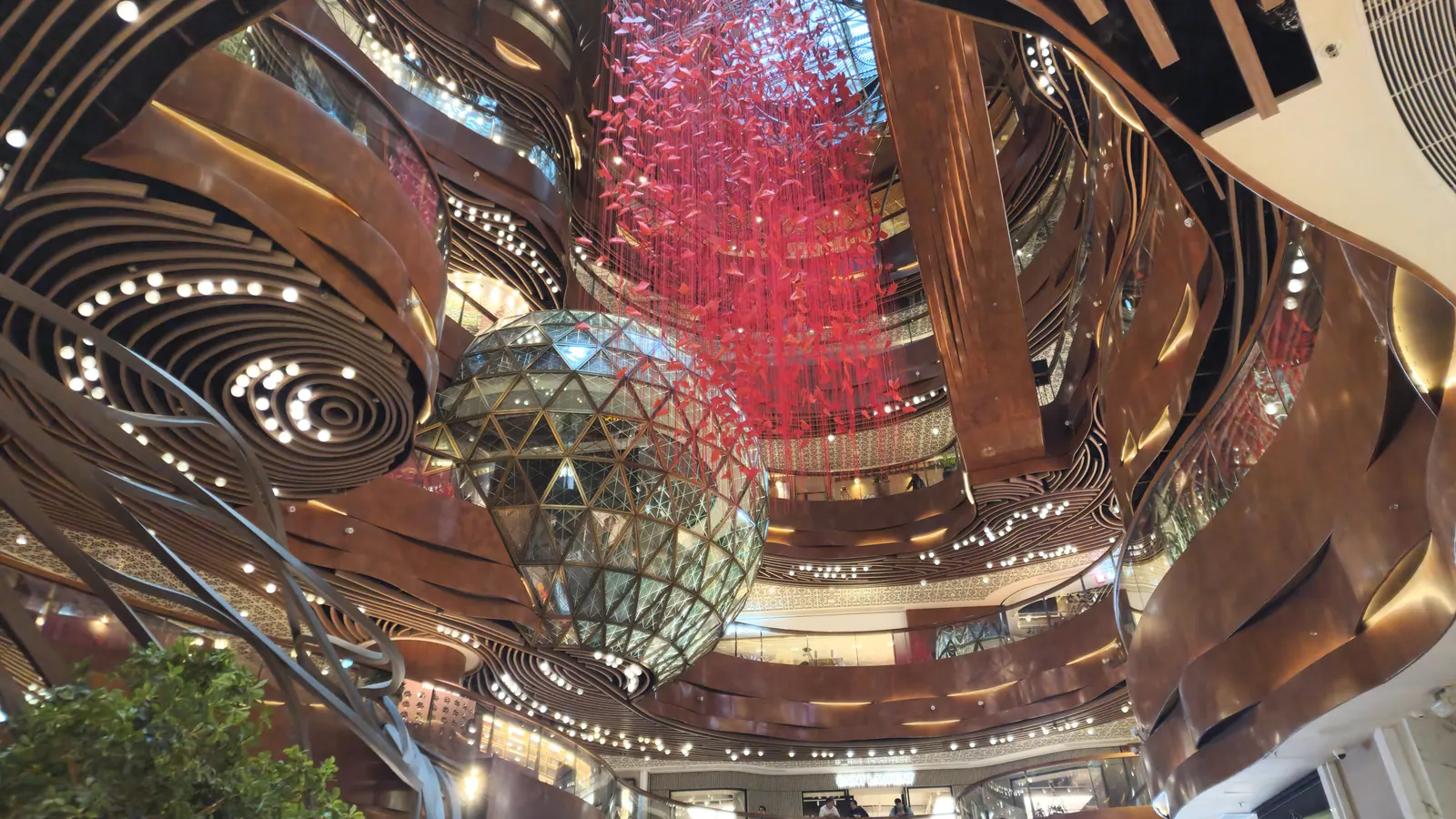
The interior is filled with intricate architectural details, dramatic lighting, sculptures, and unusual spaces.
One of its most recognizable features is the Opera Theatre, a spectacular central atrium featuring a large glass sphere surrounded by sweeping architectural forms.
But there's also an interesting piece of history beneath all the modern luxury.
K11 MUSEA occupies part of the former Holt's Wharf site, which once played an important role in Hong Kong's development as an international trading port.
Before luxury boutiques and art installations occupied the waterfront, the area was associated with freight, shipping, and the movement of goods through Victoria Harbour.
In a way, the building reflects Hong Kong's transformation from a major commercial port into a global financial and cultural center.
Why you should visit
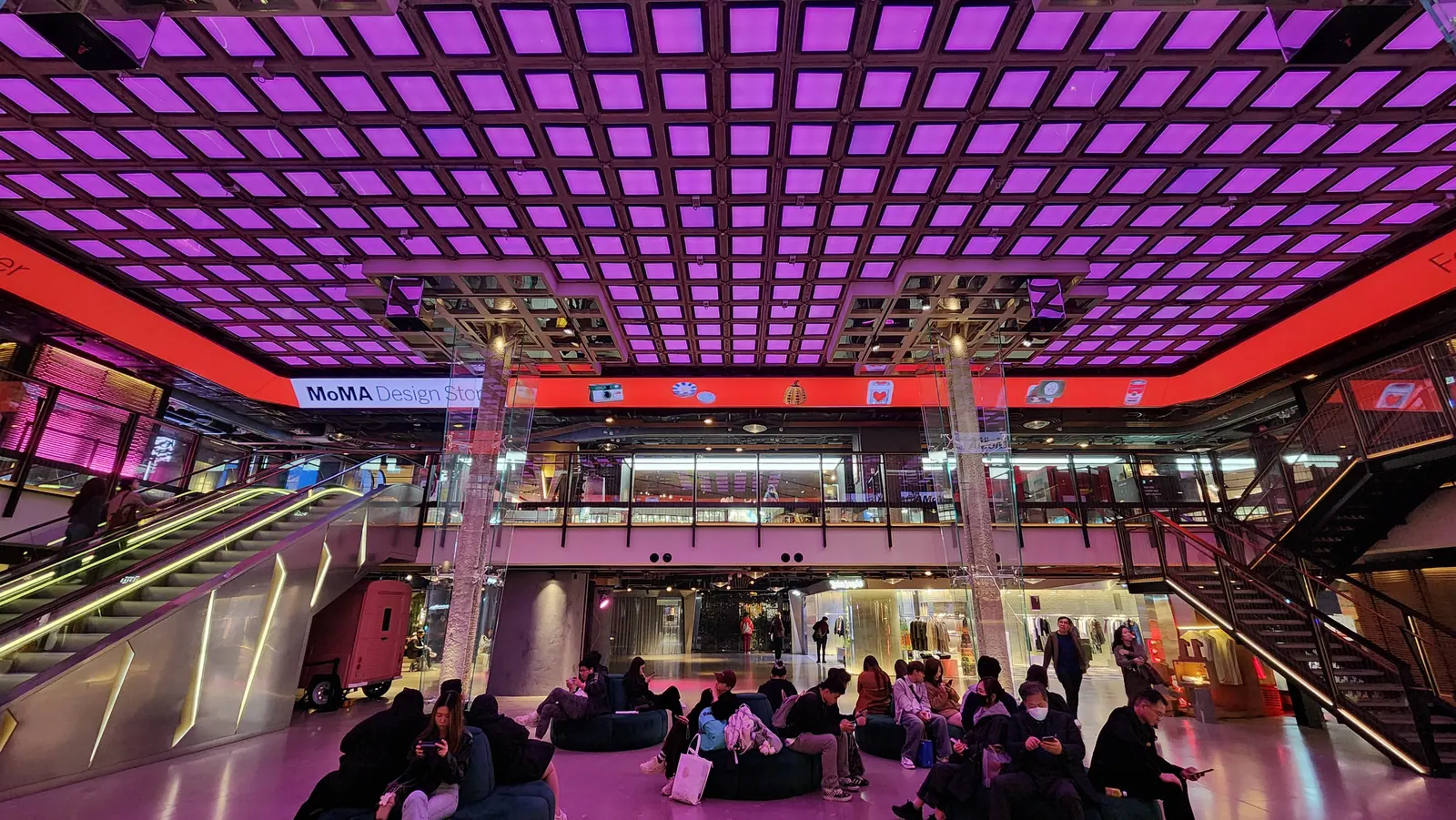
K11 MUSEA is worth visiting for its architecture and public artwork, even if you have absolutely no intention of shopping.
It's also conveniently located near several other attractions, making it an easy stop while exploring Tsim Sha Tsui.
Planit Traveler Tip: Visit in the late afternoon, then walk outside to enjoy Victoria Harbour as the sun sets. You can stay for the nightly Symphony of Lights afterward.
3. Victoria Peak: The Best View of Hong Kong
Location: Victoria Peak, Hong Kong Island
Recommended time: 1.5–2.5 hours, including transport
Hong Kong's skyline is impressive from almost anywhere along Victoria Harbour.
But seeing the city from Victoria Peak is an entirely different experience.
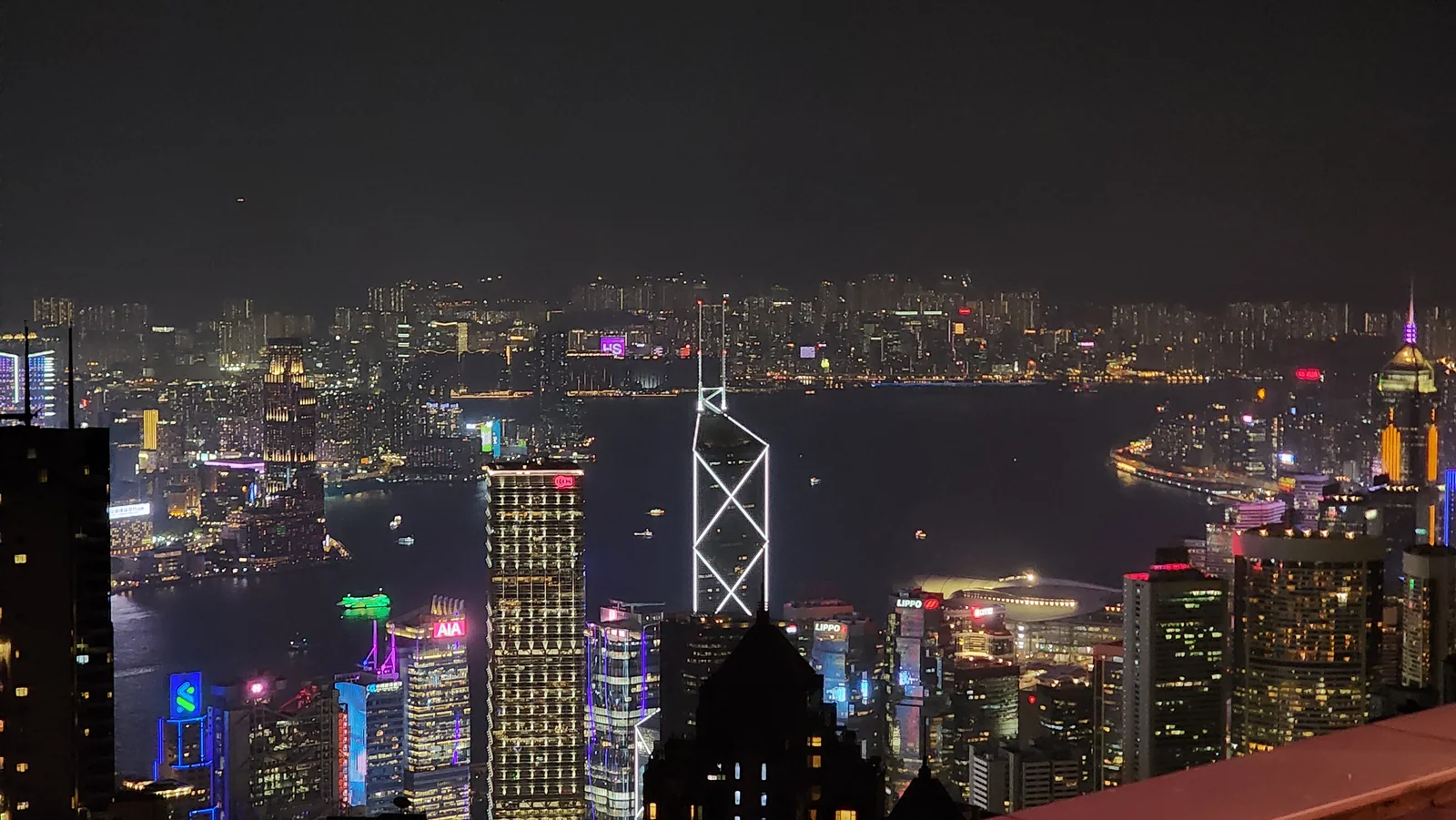
Rising high above Central, Victoria Peak offers incredible views of Hong Kong Island, the harbor, and the densely developed neighborhoods extending across Kowloon.
I visited at night, and the view was spectacular.
Hundreds of illuminated skyscrapers stretched across the city, with Victoria Harbour winding between Hong Kong Island and the mainland.
It's one of those views that really captures the scale of Hong Kong.
Take the historic Peak Tram
One of the best ways to reach Victoria Peak is the famous Peak Tram.
First opened in 1888, the tram was Asia's first cable funicular railway.
It was originally developed to provide easier access to the elevated residential areas above the city.
Before the tram existed, reaching these neighborhoods involved difficult journeys uphill, often using sedan chairs carried by workers.
Today, the Peak Tram is one of Hong Kong's best-known attractions.
The railway climbs steeply from Central toward the Peak, reaching gradients of approximately 25.7 degrees (so grab a jacket even if the temperature is ok at the street level).
During the ascent, the buildings outside can appear to tilt at unusual angles because of the steep incline.
The modern tram completes the journey in approximately six minutes, following a route that has been operating for well over a century.
Why you should visit
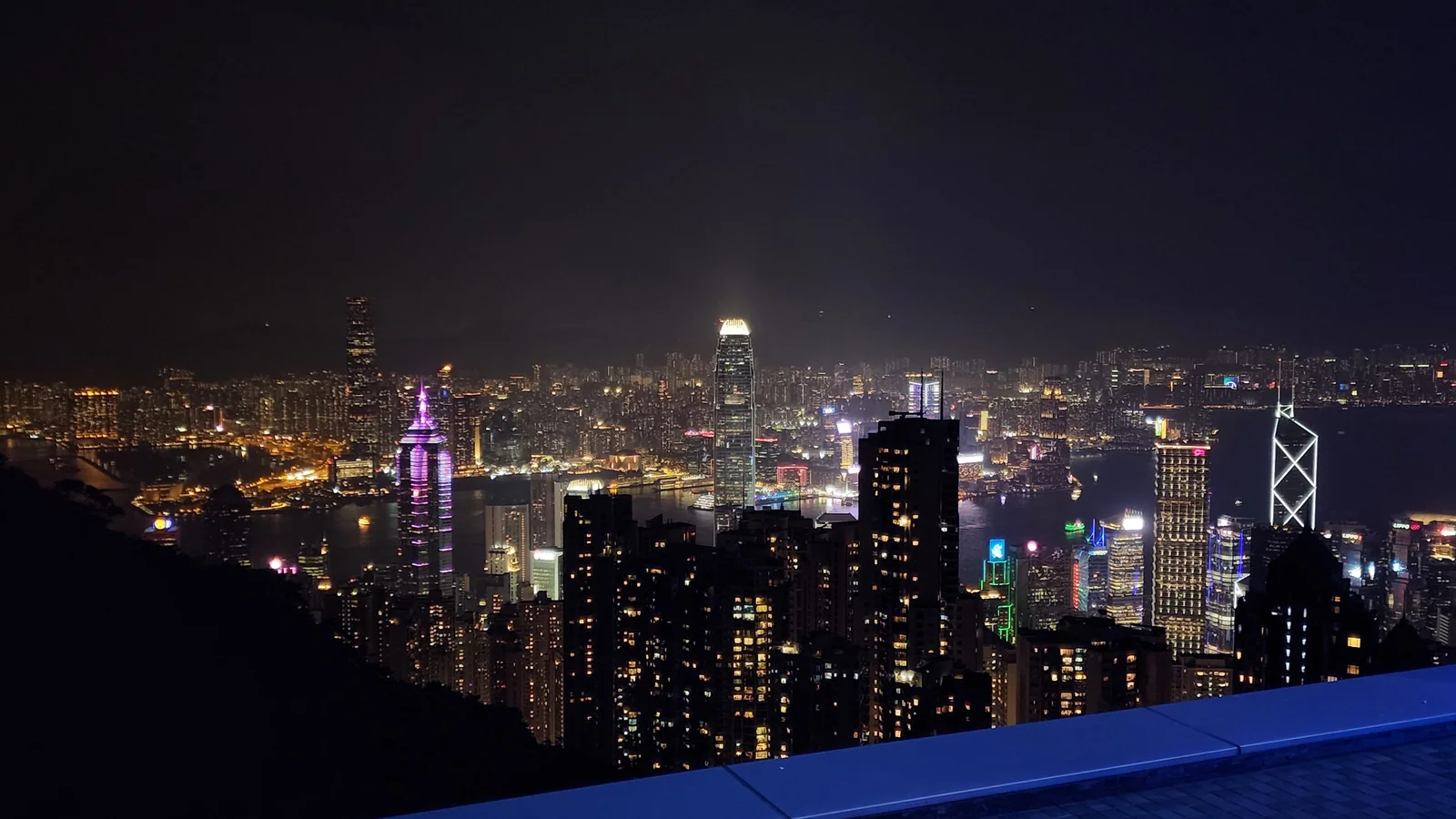
If there's one classic Hong Kong attraction I'd strongly recommend, it's Victoria Peak.
The panoramic views are extraordinary, especially after dark.
That said, I would suggest arriving before sunset if possible.
You can enjoy the city in daylight, watch the skyline gradually light up, and experience the nighttime view without making a separate trip.
Planit Traveler Tip: The Peak Tram can become very busy around sunset and on weekends. Consider booking ahead and allowing time for queues. For a quieter alternative to the main paid observation deck, explore the Lugard Road walking route.
4. Monster Building: Hong Kong's Incredible Residential Density
Location: Quarry Bay, Hong Kong Island
Recommended time: 20–30 minutes, where public access is permitted
Hong Kong has some of the most extraordinary architecture I've encountered while traveling.
And while the city's futuristic skyline gets most of the attention, some of its older residential buildings are just as fascinating.
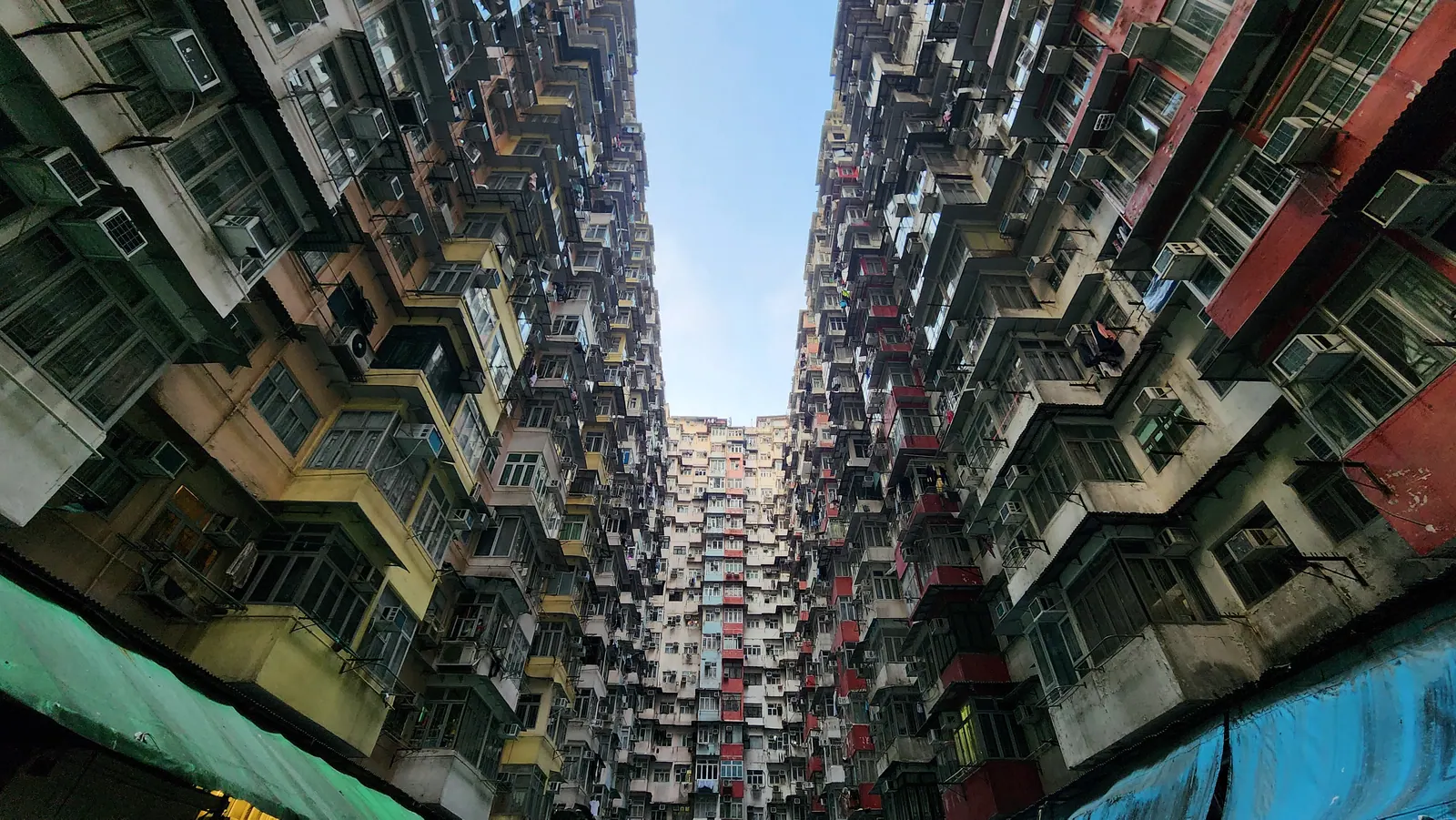
One of the most famous examples is the Monster Building in Quarry Bay.
The name sounds dramatic, but once you see it, you'll understand why it caught on.
The complex consists of five interconnected residential buildings, with hundreds of apartments stacked closely together.
When you look upward from between the buildings, the walls of windows, balconies, and air-conditioning units seem to rise endlessly around you.
Only a narrow opening of sky remains visible above.
I stayed here for an hour pretending to be a photographer trying to get the perfect angle on the building. The longer you stay the more shots you end up finding.
The architecture behind the famous photographs
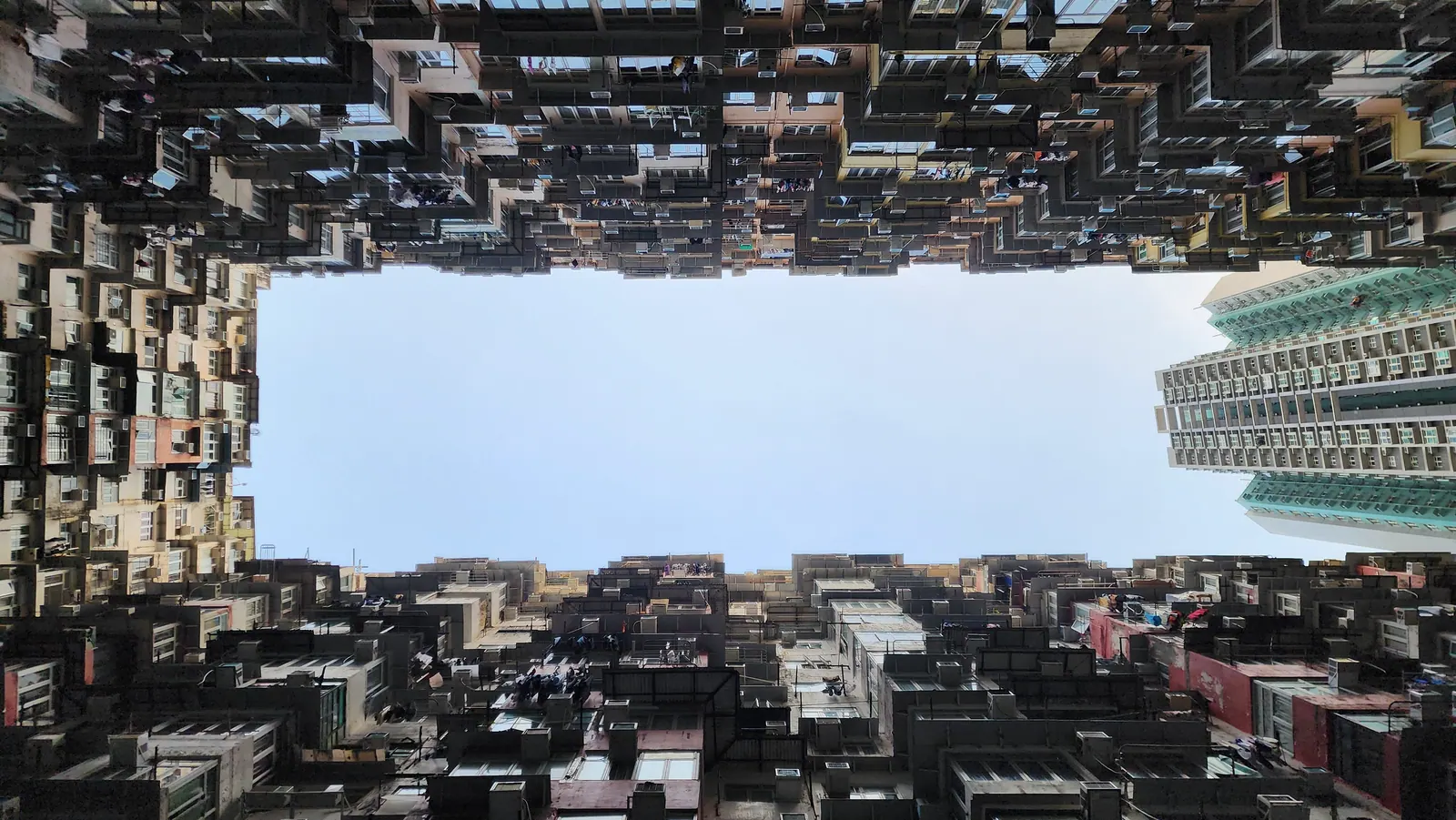
The Monster Building complex was originally developed in the 1960s as Parker Estate.
It includes buildings such as Yick Cheong Building, Yick Fat Building, and Montane Mansion.
Together, the complex contains more than 2,000 apartments and has become an internationally recognized example of Hong Kong's dense urban development.
Its unusual appearance has also attracted filmmakers, photographers, and architecture enthusiasts.
The complex is associated with productions including Transformers: Age of Extinction and Ghost in the Shell.
But beyond its cinematic appearance, it offers an interesting perspective on Hong Kong's housing and urban planning.
With limited flat land and a large population, Hong Kong has developed an extraordinary number of high-rise residential buildings.
The Monster Building is one of the most recognizable examples.
Why you should visit
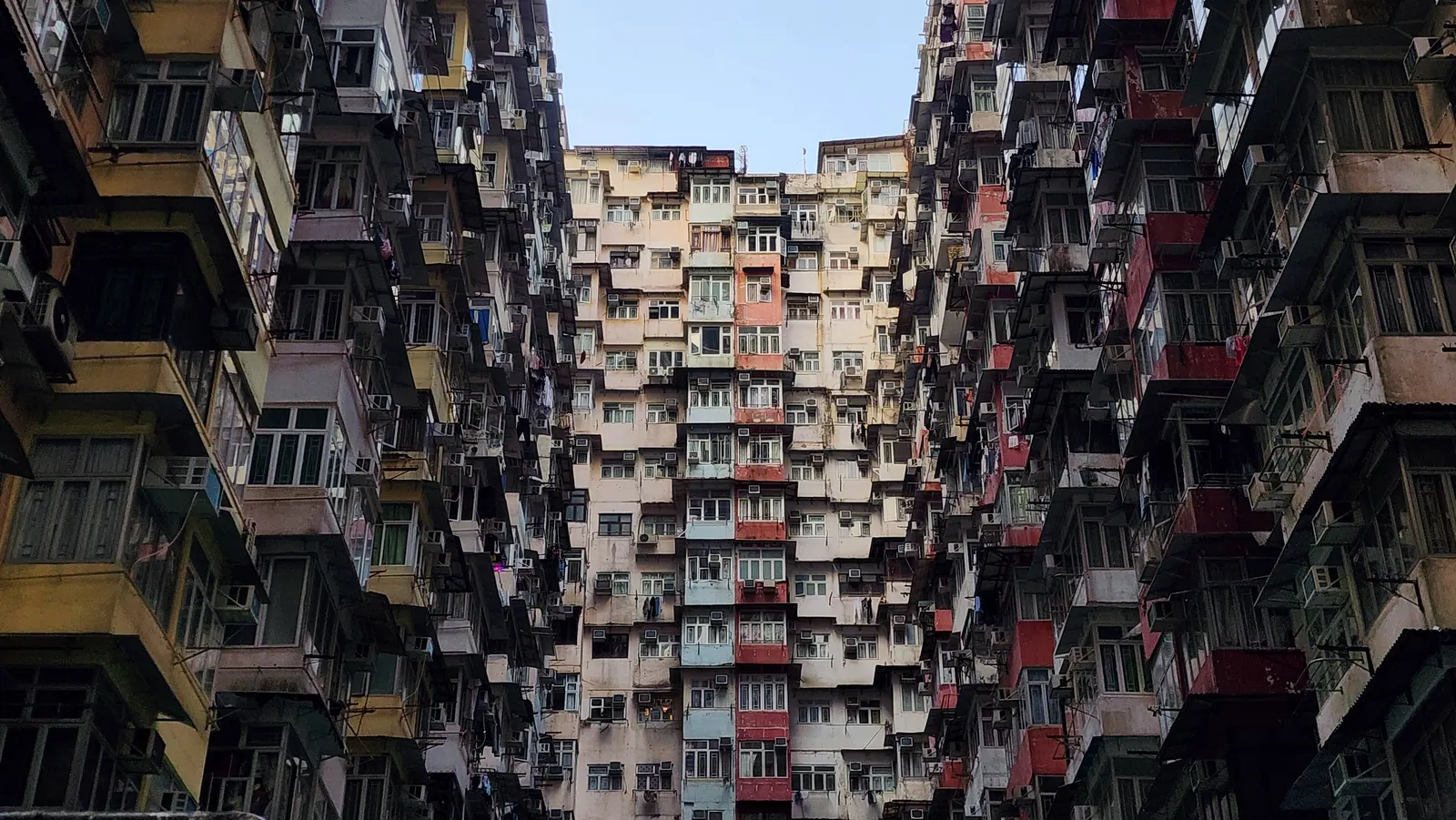
For anyone interested in architecture or photography, it's a fascinating sight.
I particularly like how different it feels from the modern glass towers overlooking Victoria Harbour.
It shows another side of Hong Kong, one that is closely connected to everyday residential life.
Planit Traveler Tip: Come in the afternoon so the sun isn't directly above you. Bring a wide-angle lens if you enjoy architectural photography. However, remember that these are people's homes, not a public photography attraction. Respect access restrictions, privacy, and any posted notices. Don't enter private courtyards or residential spaces without permission.
5. Kowloon Mosque: Hong Kong's Historic Muslim Community
Location: Nathan Road, Tsim Sha Tsui
One of the things I particularly enjoy about traveling is discovering how different cultures and communities have shaped a city's history.
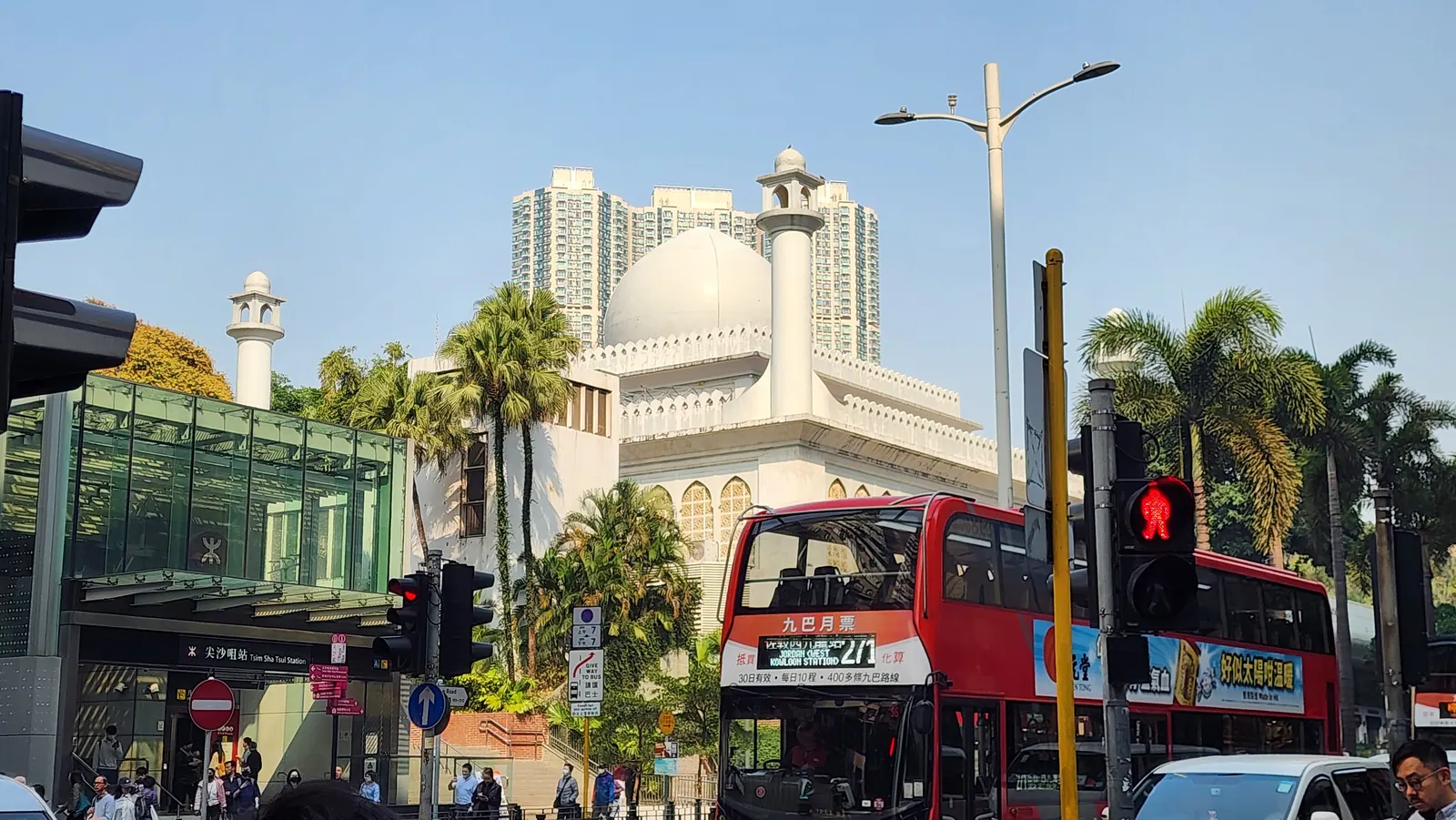
The Kowloon Mosque and Islamic Centre is a great example.
Located along the busy Nathan Road, the mosque stands out with its white marble exterior, prominent dome, and four minarets.
Surrounded by high-rise buildings, traffic, and shopping streets, the mosque offers a striking architectural contrast.
But its history is even more interesting.
Built for Muslim soldiers serving in the British Army
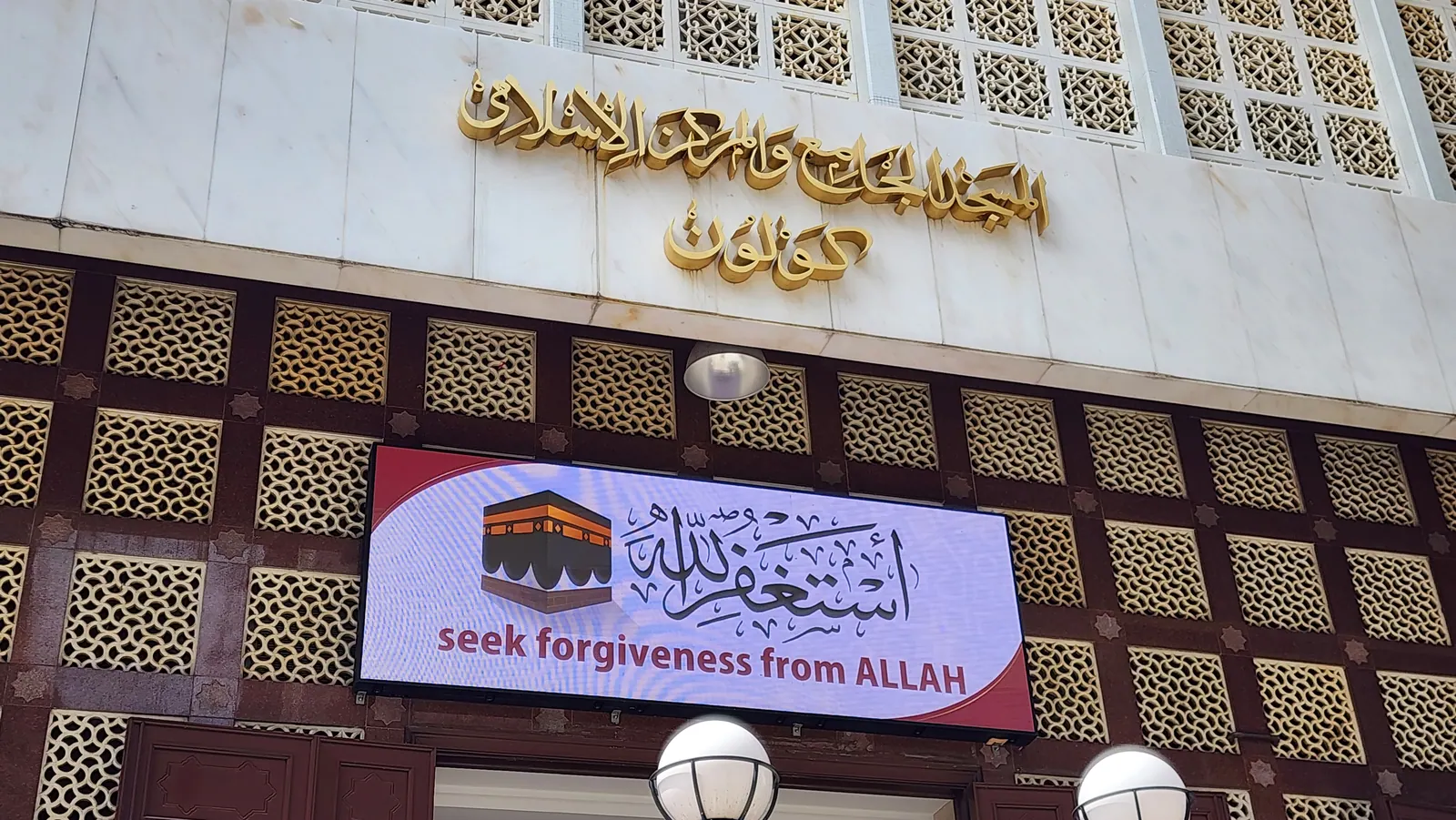
The original Kowloon Mosque was constructed in 1896 for Indian Muslim soldiers serving in the British Army.
These soldiers were stationed at the nearby Whitfield Barracks, which occupied land that later became part of Kowloon Park.
As Hong Kong developed, the mosque continued serving the city's growing Muslim community.
However, construction associated with the MTR railway system contributed to structural problems with the original building.
It was demolished in 1980, and a replacement mosque opened on May 11, 1984.
The current building can accommodate approximately 3,500 people and is the largest mosque in Hong Kong.
It also houses educational facilities, a library, and community spaces.
Why you should visit
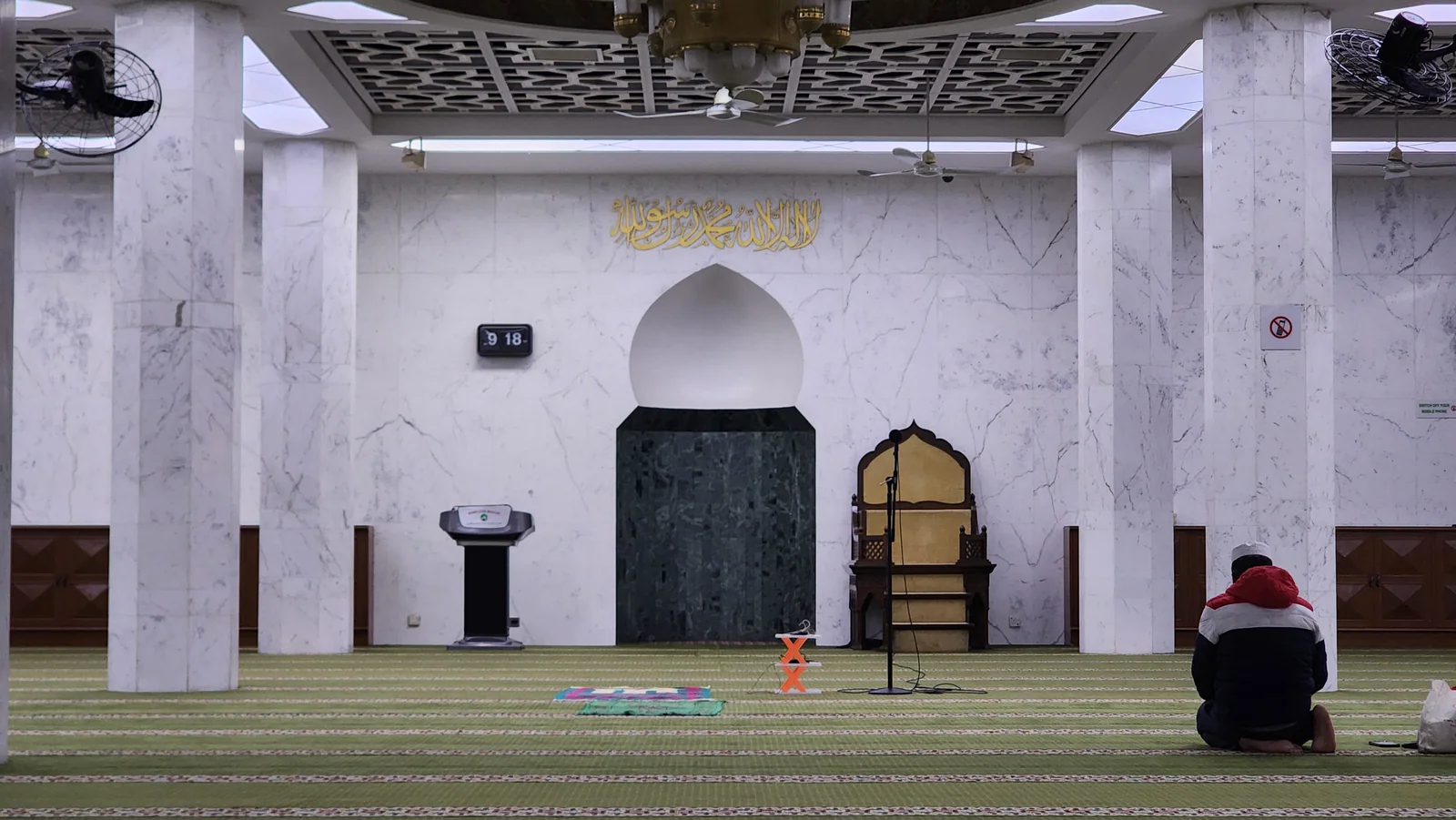
Hong Kong's history is often discussed through its relationship with Britain and mainland China, but the mosque highlights another important part of the city's past.
South Asian communities have contributed to Hong Kong's development for generations, and Kowloon Mosque is a reminder of that history.
For Muslim travelers, it's also a convenient place to stop for prayers while exploring the city.
Planit Traveler Tip: The mosque is located near Kowloon Park and the Tsim Sha Tsui MTR station.
6. Lee Tung Avenue: Hong Kong's Former Wedding Card Street
Location: Wan Chai, Hong Kong Island
Recommended time: 30–60 minutes
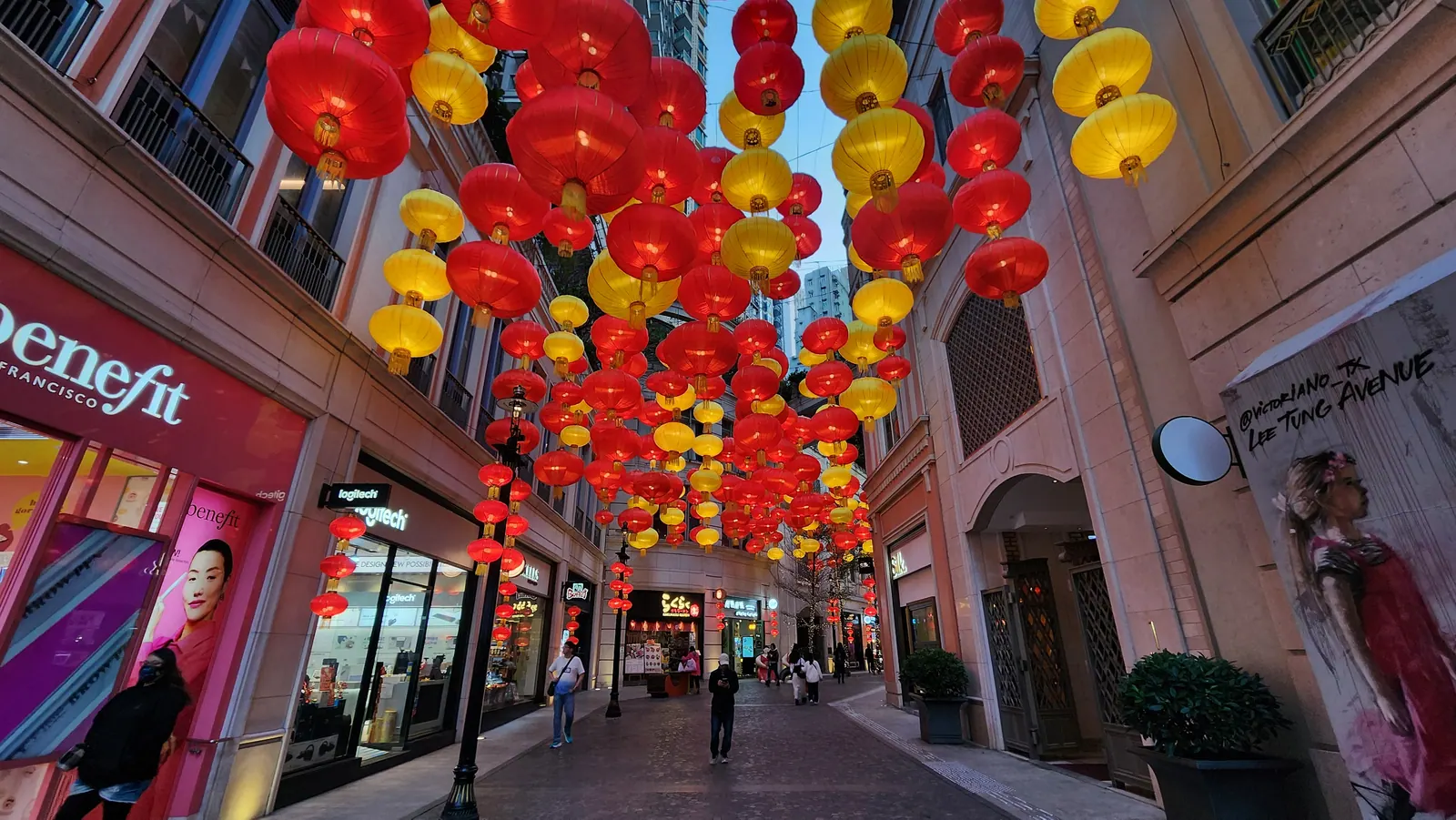
While exploring Wan Chai, I came across Lee Tung Avenue, a pedestrian street lined with cafes, restaurants, boutique shops, and colorful decorations.
In my photographs, the entire street is covered with red and yellow lanterns, creating a beautiful canopy above the walkway.
It's a great place to wander around, particularly if you enjoy street photography.
However, what makes Lee Tung Avenue interesting isn't just its appearance.
From printing shops to luxury boutiques
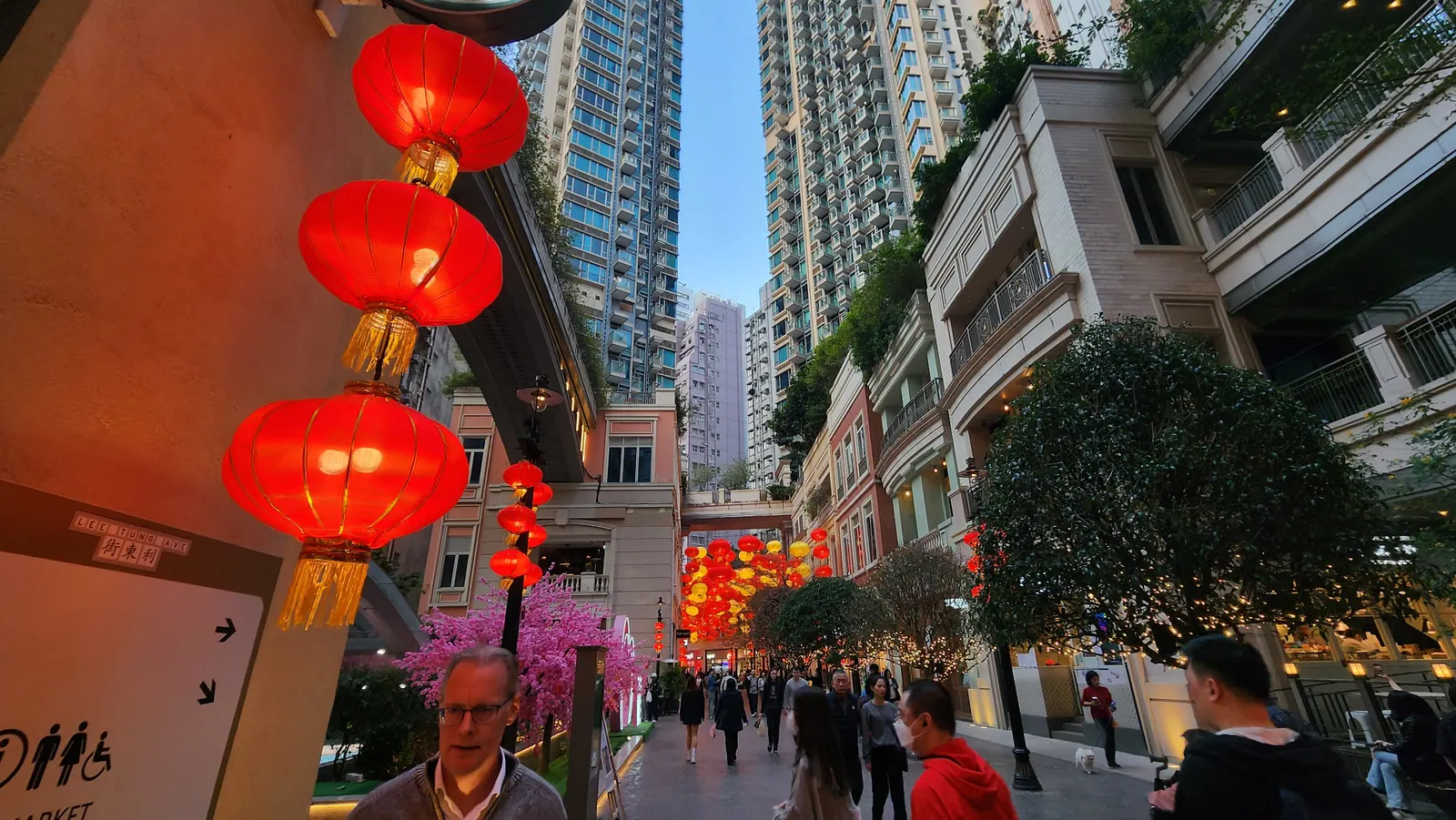
Before its redevelopment, the area was known as Wedding Card Street.
For decades, Lee Tung Street was famous for its printing businesses, especially shops specializing in traditional Chinese wedding invitations.
Customers would come from across Hong Kong to order beautifully designed wedding cards and other printed materials.
Eventually, the neighborhood underwent a major urban redevelopment project.
The modern Lee Tung Avenue opened in 2015, transforming the former printing district into a pedestrian-friendly commercial street approximately 200 meters long.
The redevelopment remains an example of Hong Kong's changing urban landscape, with modern businesses replacing many older establishments.
Today, the avenue features European-inspired architecture, greenery, outdoor seating, and seasonal decorations.
Why you should visit
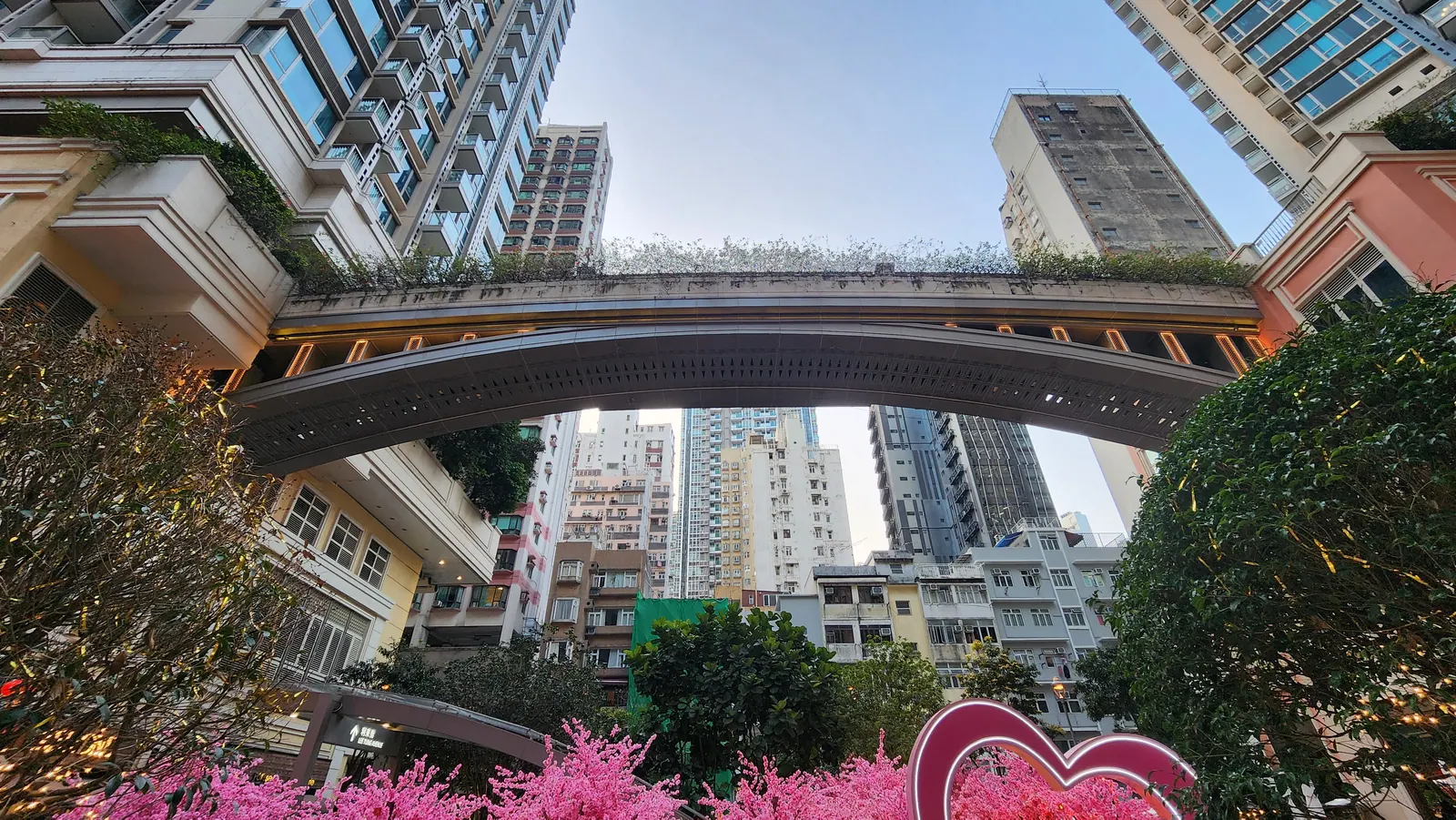
Lee Tung Avenue is a pleasant place to walk, grab a coffee, and explore a different side of Wan Chai.
I also think its history makes it more interesting than an ordinary shopping street.
It illustrates how Hong Kong continuously reinvents itself, sometimes at the expense of the older communities and businesses that once defined its neighborhoods.
Planit Traveler Tip: Lee Tung Avenue changes its decorations throughout the year, so the lanterns in my photographs may not be there during your visit. Check for current festivals and seasonal installations.
7. Southorn Playground: Basketball in the Middle of the Concrete Jungle
Location: Wan Chai, Hong Kong Island
Recommended time: 20–45 minutes
Southorn Playground might seem like an unusual recommendation in a Hong Kong travel guide.
After all, it's essentially a public recreation area.
But that's precisely why I think it's worth mentioning.
One of my favorite things about exploring cities is discovering places where everyday life continues beneath all the skyscrapers and major attractions.
Southorn Playground offers exactly that.
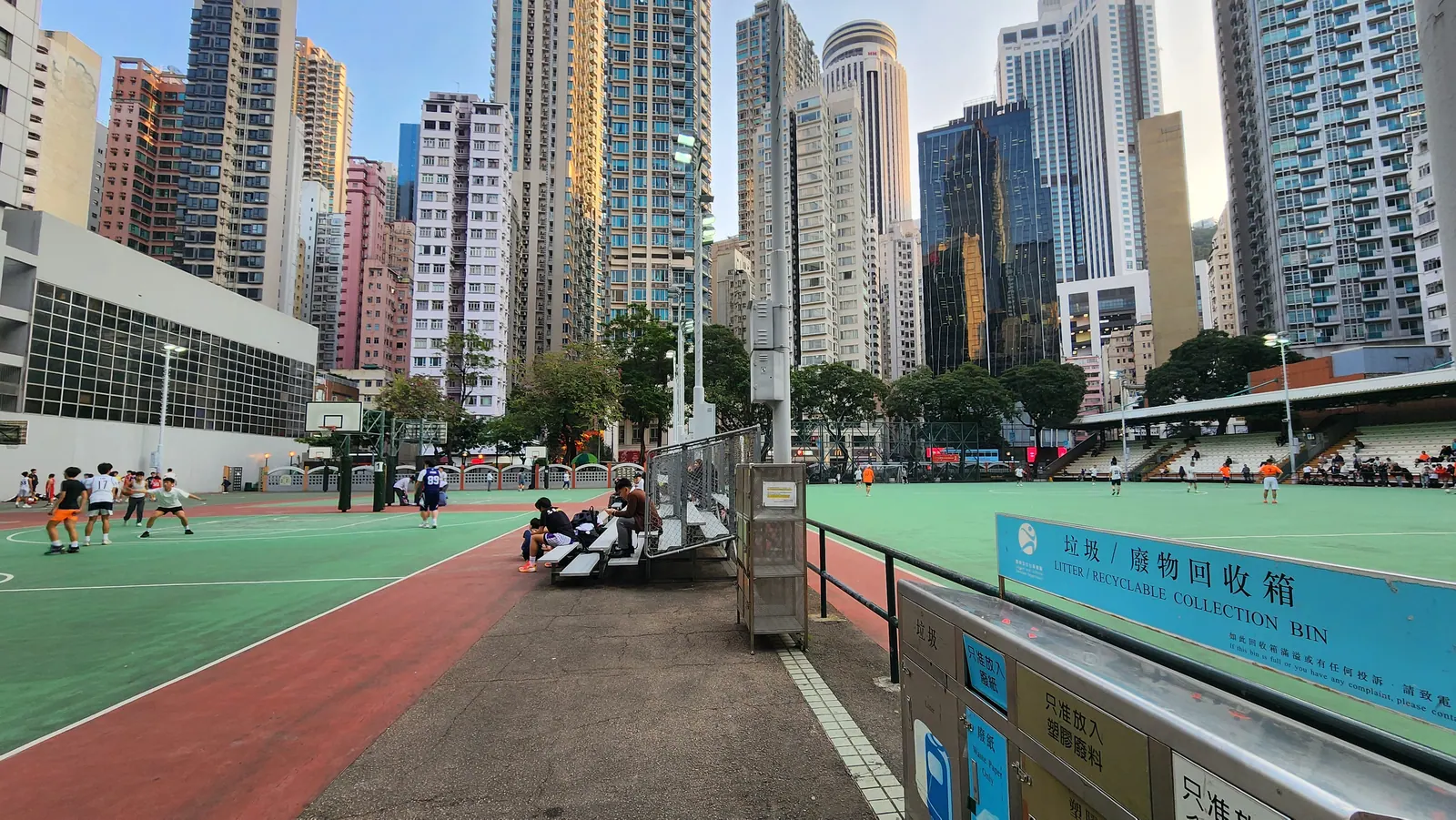
Located in Wan Chai, the playground features basketball courts and a football pitch surrounded by towering residential and commercial buildings.
The setting is particularly memorable.
You can stand on an ordinary basketball court, look up, and see skyscrapers rising on almost every side.
It's one of those scenes that feels uniquely Hong Kong.
A playground with nearly a century of history
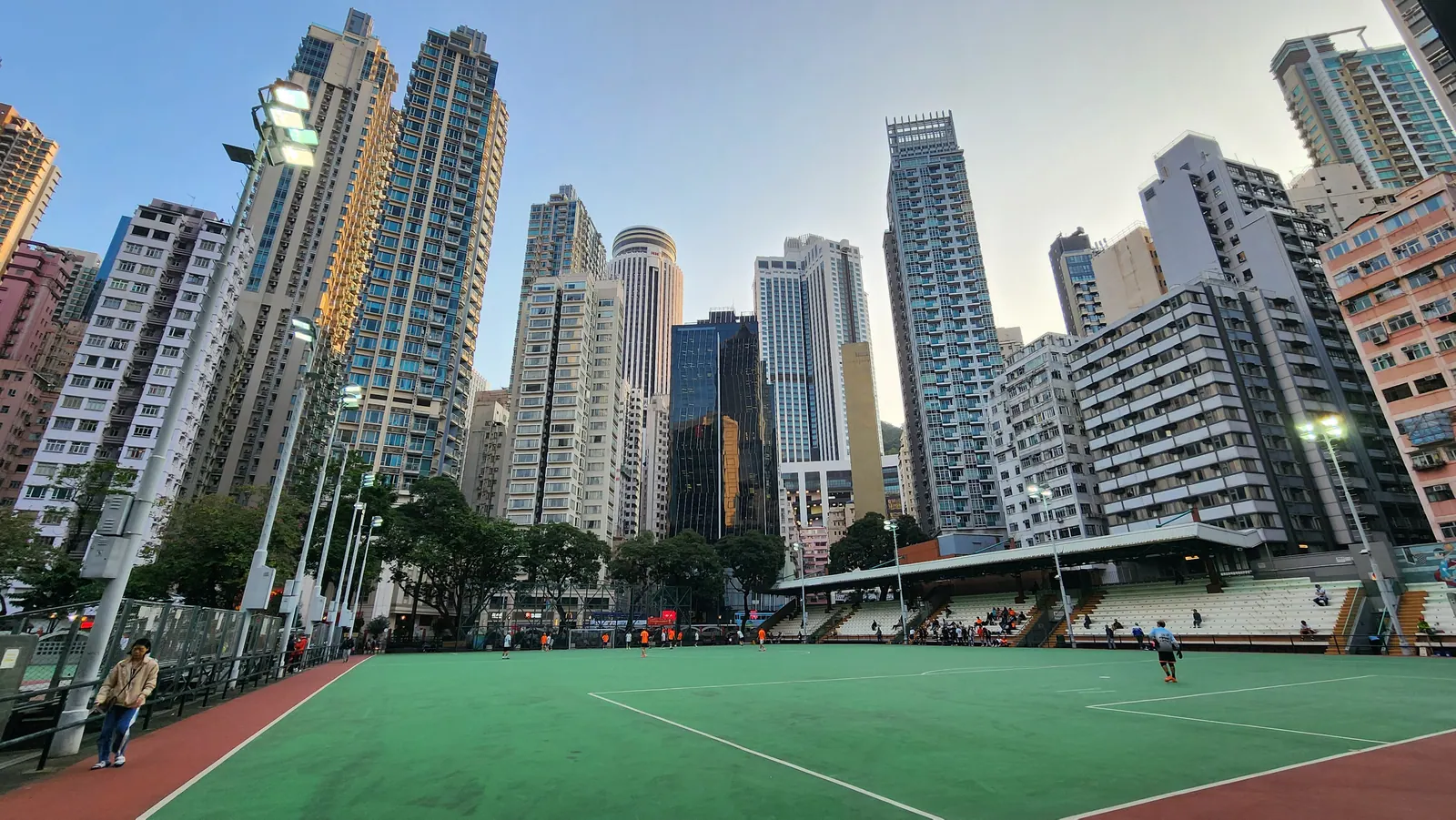
Southorn Playground opened in 1934 on land reclaimed from Victoria Harbour.
It was named after Thomas Southorn, a British colonial official who supported the establishment of a recreation area for residents.
Over time, the playground developed into an important public gathering space.
It became associated with local sports, community activities, and the lively street life of Wan Chai.
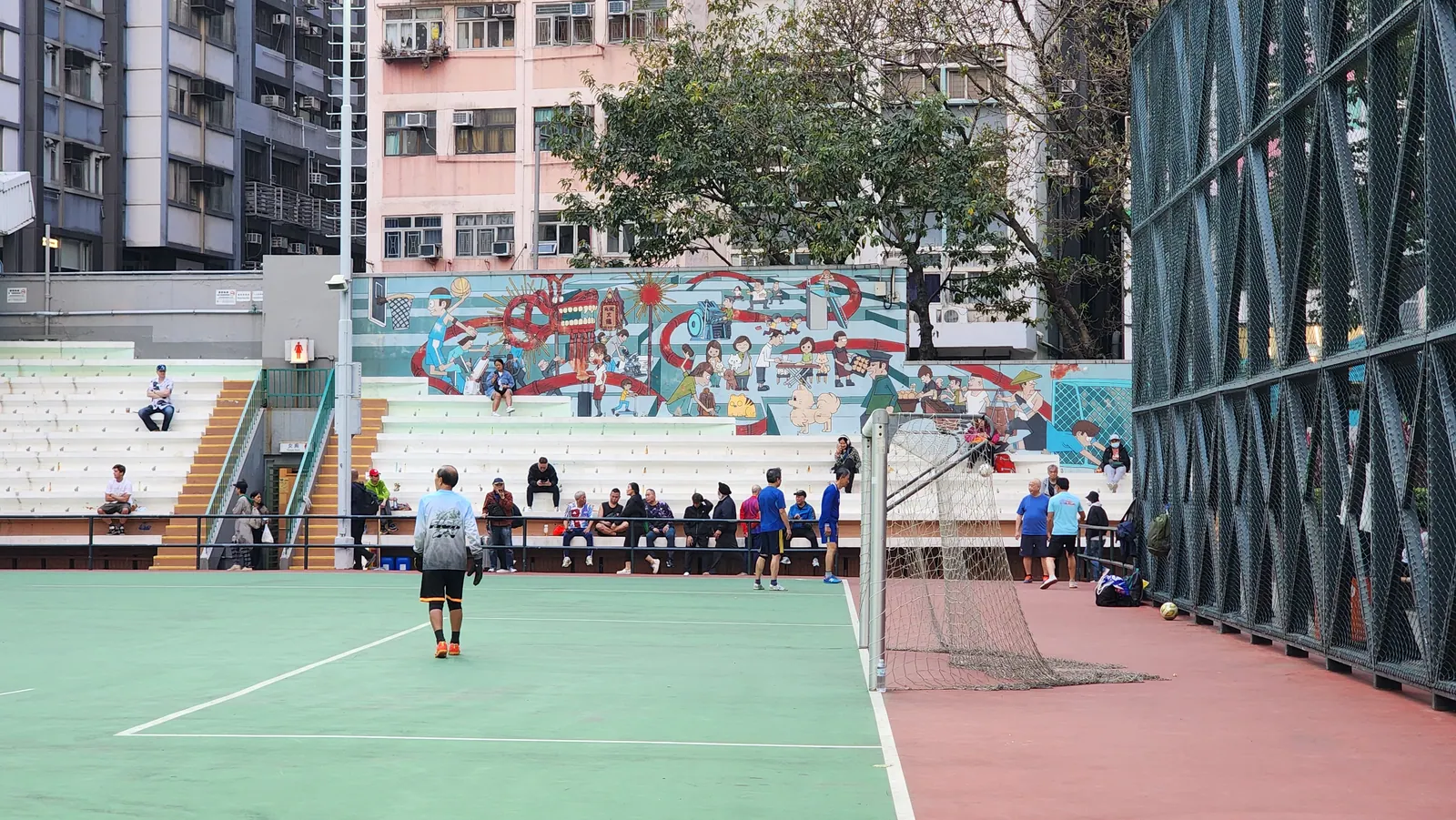
Today, the basketball courts remain popular with residents and provide an interesting glimpse into everyday life in one of the world's most densely developed cities.
Why you should visit
Not every stop on a travel itinerary needs to be a grand monument or famous attraction.
Sometimes, the most memorable experiences come from exploring ordinary neighborhoods.
If you enjoy basketball, you might even be able to join a pickup game when the courts are available.
Otherwise, it's simply an interesting place to observe how local residents use public space in a city where land is extremely valuable.
Planit Traveler Tip: Combine Southorn Playground with Lee Tung Avenue. They're both in Wan Chai, so there's no reason to plan separate trips.
8. Victoria Harbour: Watch the Symphony of Lights
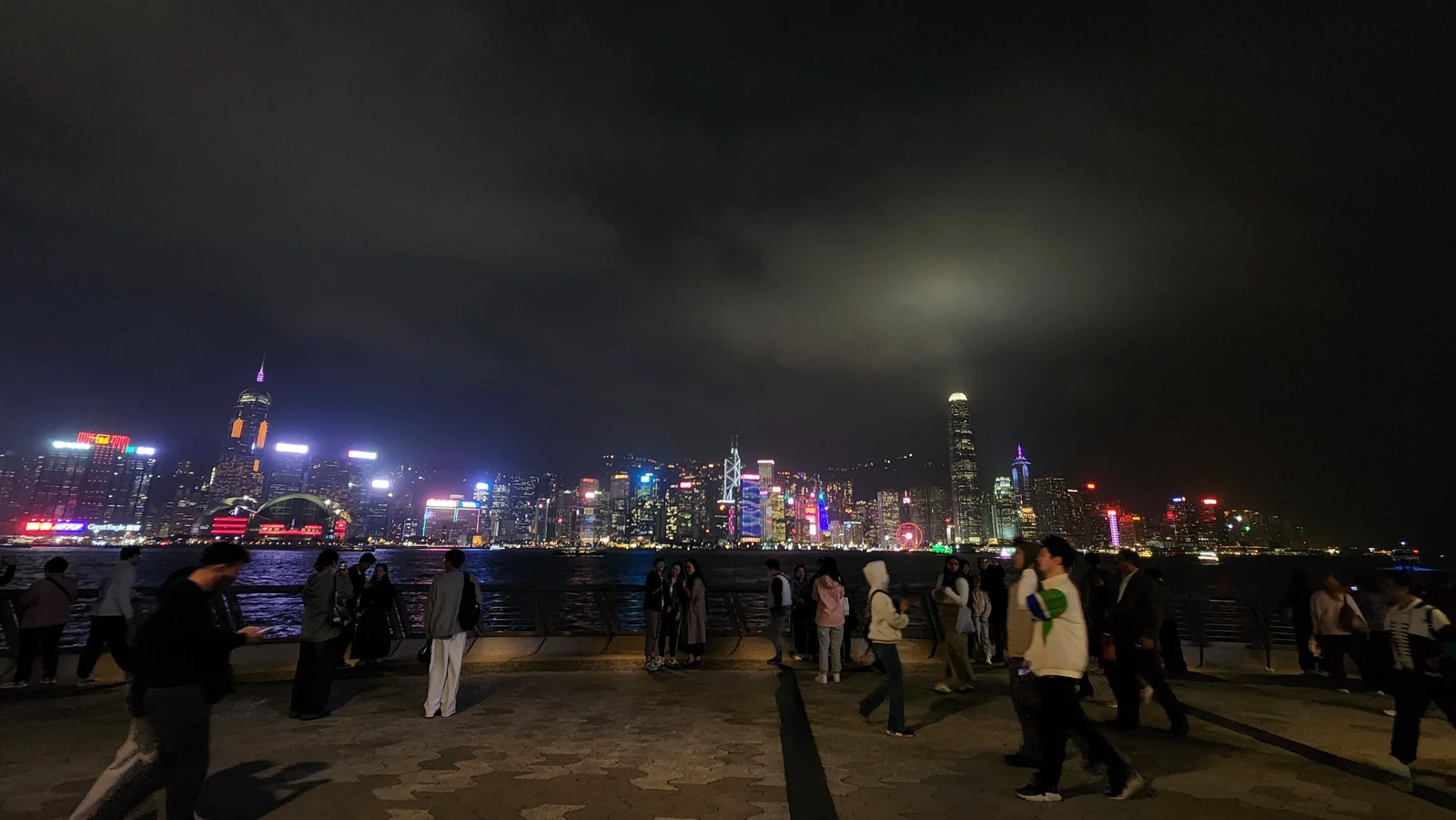
Location: Tsim Sha Tsui waterfront
Recommended time: 60 minutes to 1.5 hours
Cost: Free
Of all Hong Kong's attractions, Victoria Harbour is one of the places I would recommend to almost everyone.
It's difficult to describe just how impressive the skyline looks at night.
From the Tsim Sha Tsui waterfront, you can see the illuminated skyscrapers of Hong Kong Island stretching across the horizon.
The Bank of China Tower, International Finance Centre, and countless other buildings create one of the most recognizable cityscapes in the world.
And every evening, the waterfront becomes the setting for a coordinated light show.
A Symphony of Lights
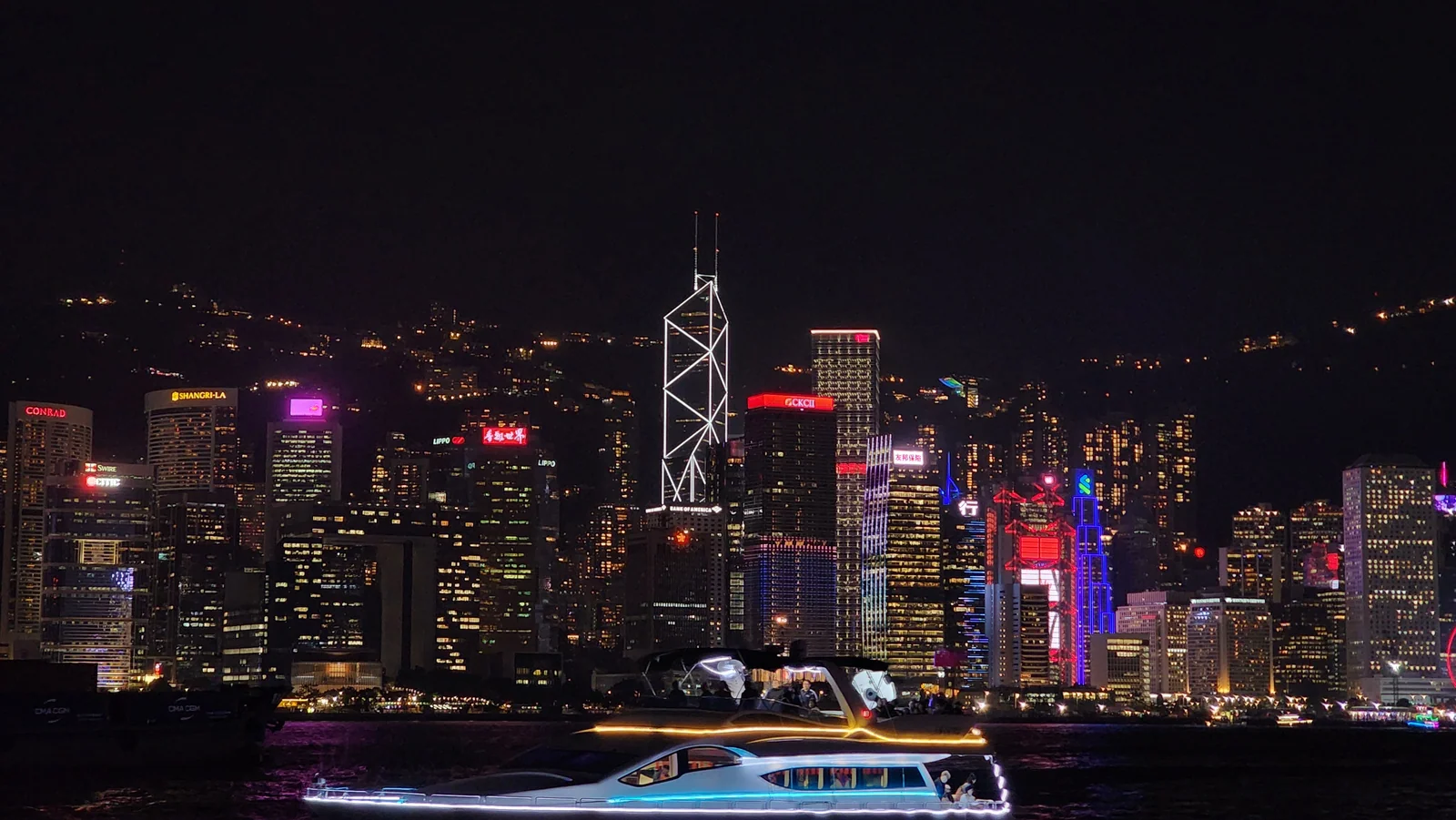
First launched in 2004, A Symphony of Lights is a nightly multimedia performance involving buildings on both sides of Victoria Harbour.
The show combines architectural lighting, lasers, searchlights, and synchronized effects.
In 2005, it received a Guinness World Record as the world's largest permanent light and sound show.
The performance currently involves 43 buildings and two attractions, making the entire harbor part of the display.
The show begins at 8:00 PM and is free to watch.
Where should you watch?
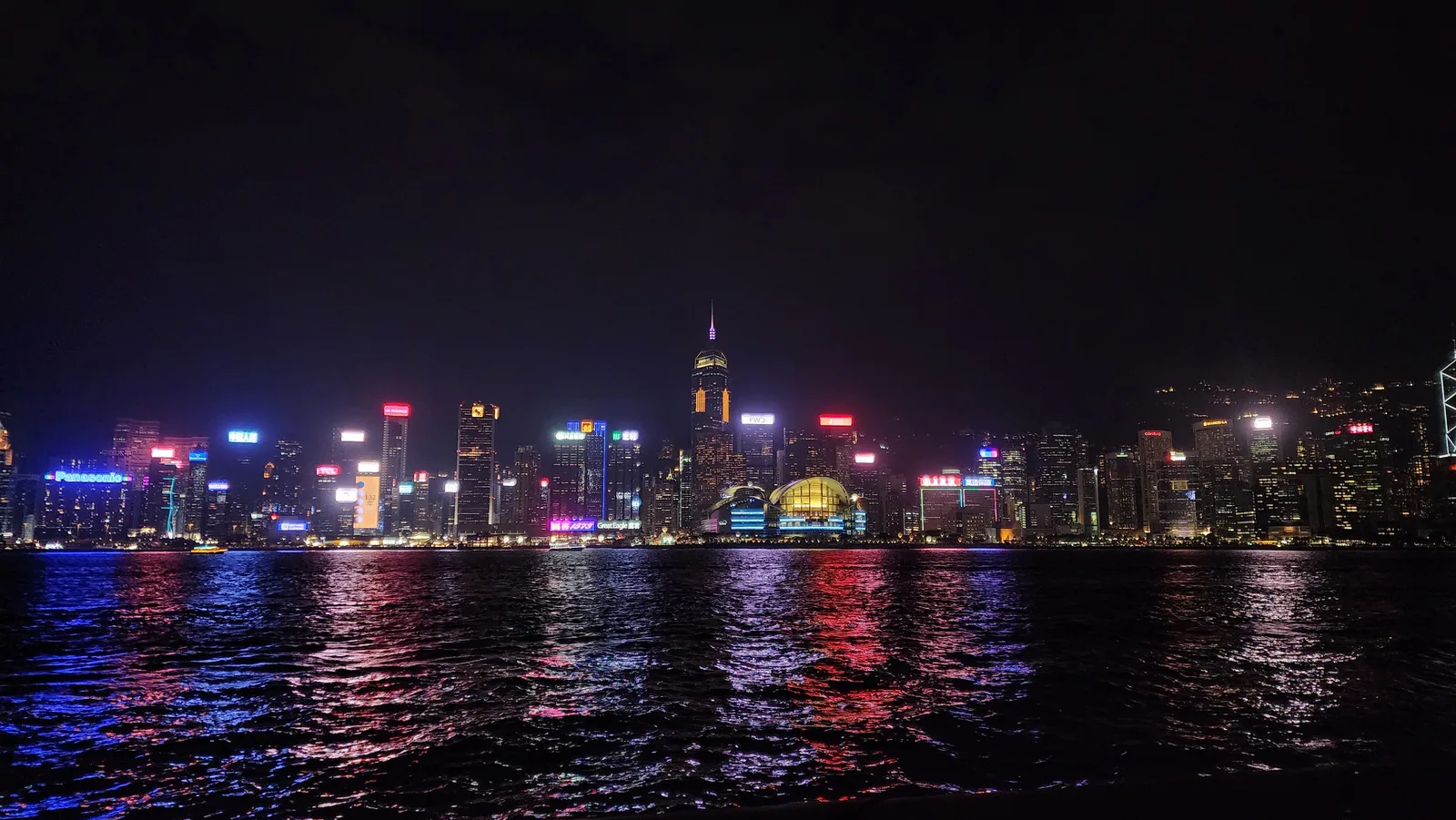
I'd recommend finding a spot along the Tsim Sha Tsui waterfront, particularly near the Avenue of Stars or the Hong Kong Cultural Centre.
From here, you get a spectacular view of the skyscrapers on Hong Kong Island.
But even if you miss the show, the skyline itself makes the waterfront worth visiting.
For me, it was one of the most memorable parts of Hong Kong.
Planit Traveler Tip: Arrive at least 30–45 minutes before the show to find a good spot. Severe weather can cause cancellations.
Bonus: Take the Star Ferry Across Victoria Harbour
If you have some extra time, another experience worth adding to your itinerary is a ride on the Star Ferry.
The ferry service has been connecting Hong Kong Island and Kowloon for generations, and its green-and-white boats have become one of the city's most recognizable symbols.
Although the MTR provides a convenient way to travel between both sides of the harbor, the Star Ferry offers a completely different perspective.
Instead of traveling underground, you get to see the skyline from the water.
The crossing is relatively short, and the ferry is an affordable way to experience Victoria Harbour.
For the best views, consider taking the ferry around sunset or after dark.
It's a simple addition to your itinerary that lets you appreciate Hong Kong's architecture from another angle.
How to Visit These Places in Two Days
Hong Kong has an excellent public transportation system, so you can visit many of these attractions without needing a car.
The easiest approach is to divide your itinerary into two areas: Kowloon and Hong Kong Island.
Day 1: Kowloon, Museums & Victoria Harbour
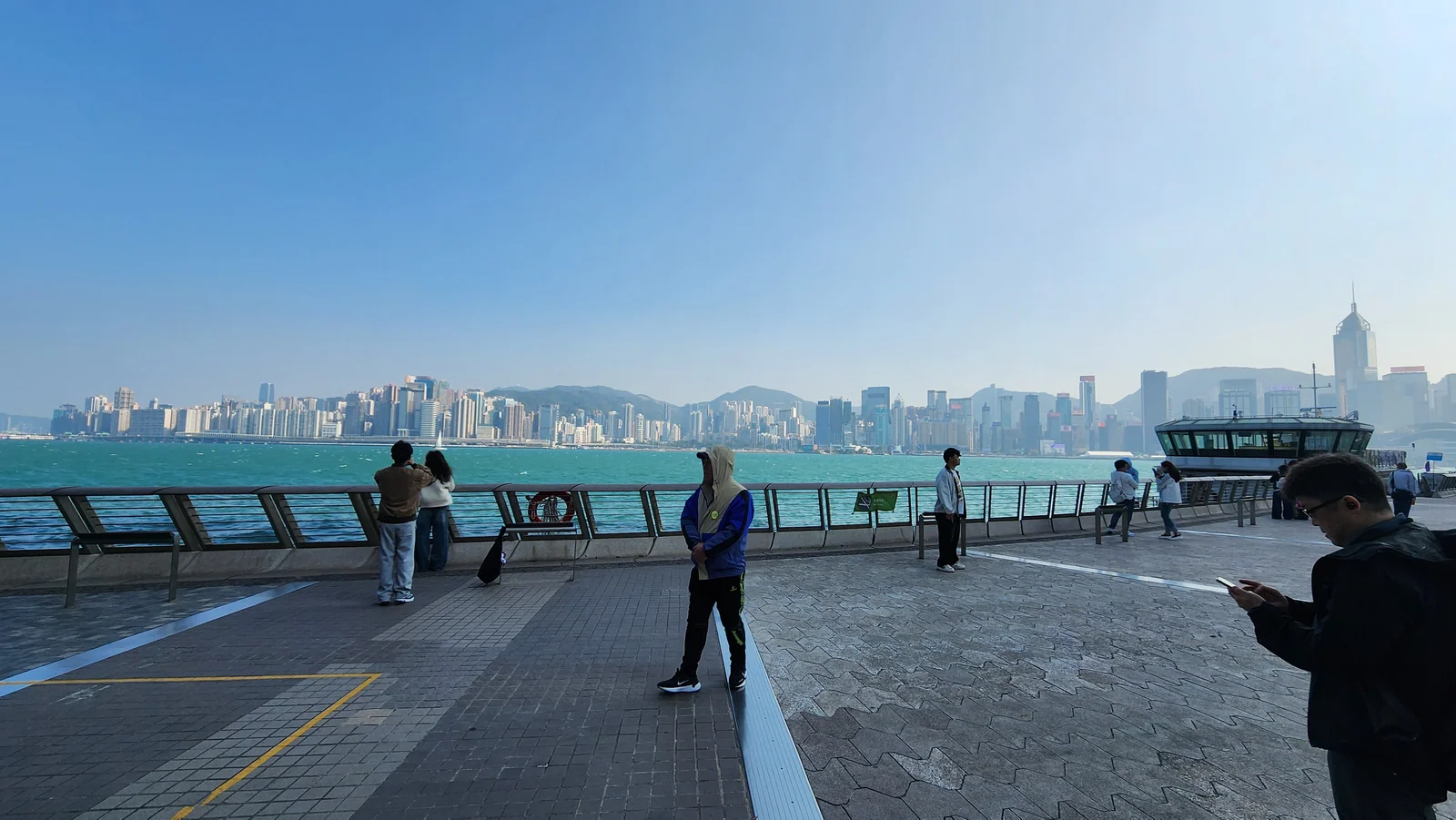
Morning: M+ Museum
Start at the West Kowloon Cultural District and spend a couple of hours exploring M+ and the surrounding waterfront.
Afternoon: Kowloon Mosque and K11 MUSEA
Head toward Tsim Sha Tsui and visit Kowloon Mosque along Nathan Road.
Continue to K11 MUSEA to explore its architecture, public artwork, and shops.
Evening: Victoria Harbour
Finish your day along the Tsim Sha Tsui waterfront.
Enjoy the illuminated skyline and watch the Symphony of Lights at 8:00 PM.
Day 2: Hong Kong Island, Architecture & City Views
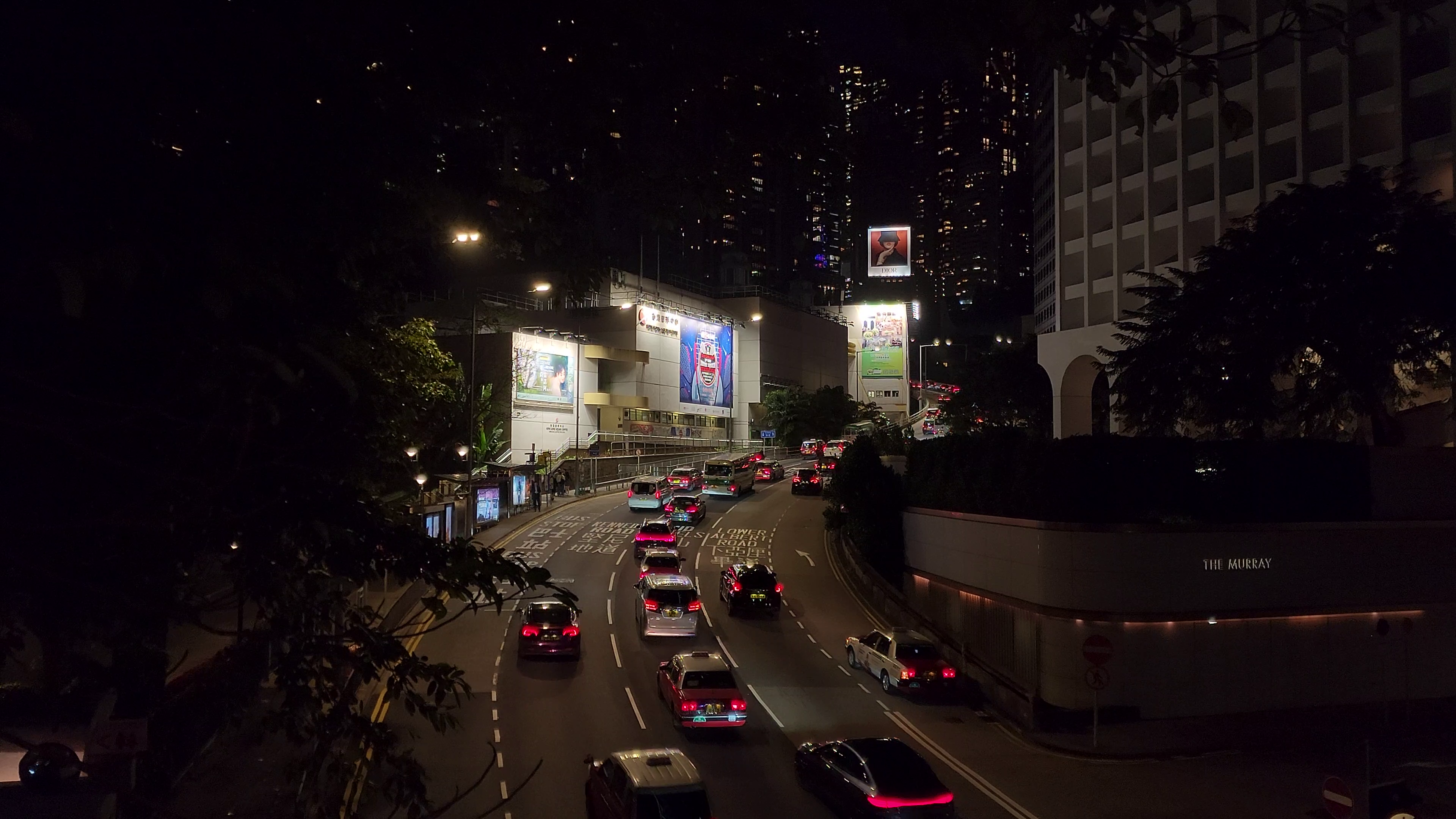
Morning: Wan Chai
Explore Lee Tung Avenue and Southorn Playground.
Both attractions are located in Wan Chai, making them convenient to visit together.
Afternoon: Quarry Bay
Take the MTR east toward Quarry Bay and explore the area around the Monster Building, respecting residential access restrictions.
Evening: Victoria Peak
Travel toward Central and take the Peak Tram to Victoria Peak.
Aim to arrive before sunset and stay long enough to enjoy the city lights after dark.
Getting Around Hong Kong
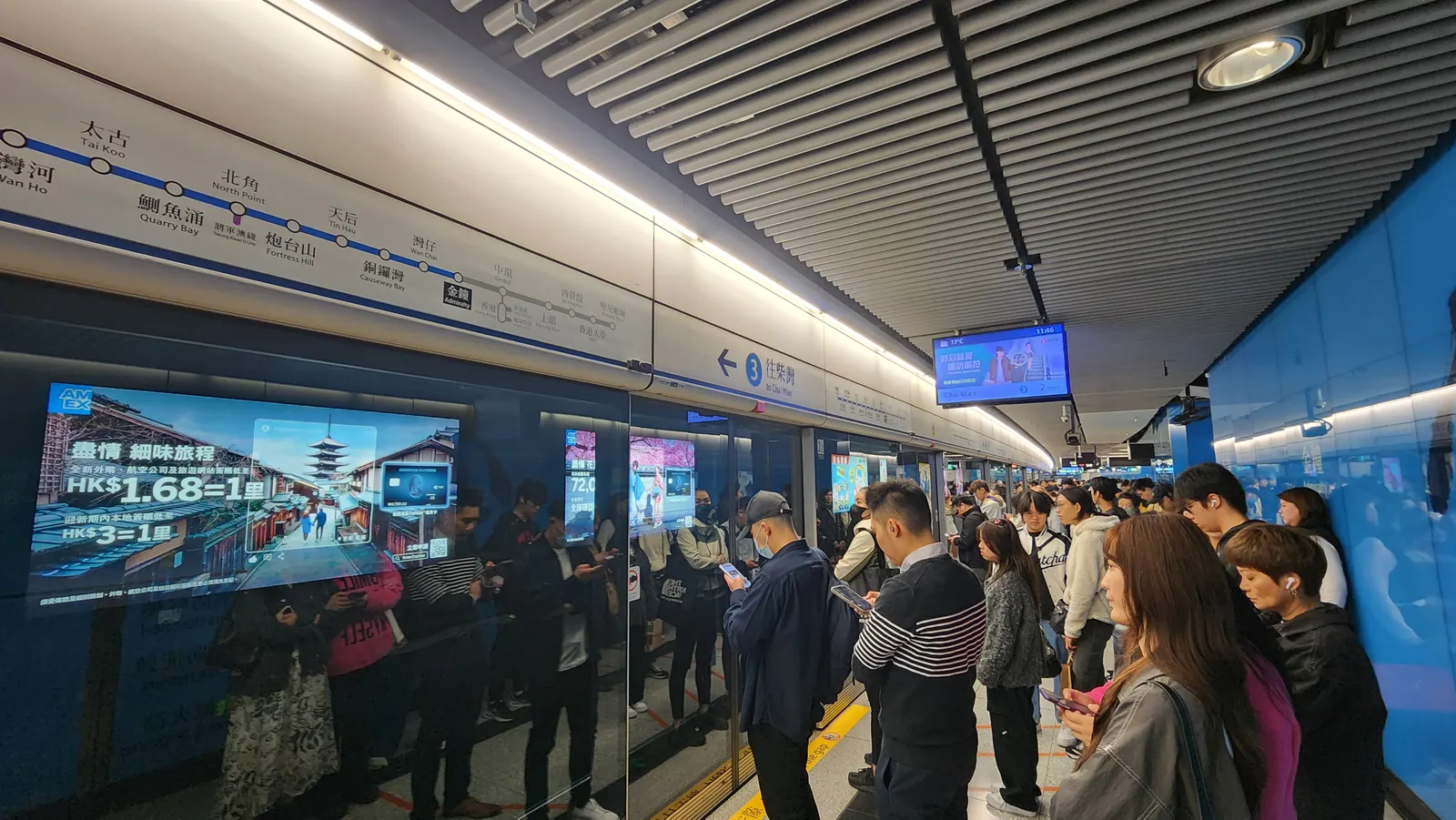
One of the biggest advantages of visiting Hong Kong is how easy it is to travel around the city.
The MTR connects most major tourist areas, while buses, trams, and ferries provide additional options.
For everyday travel, I'd recommend getting an Octopus card or using a compatible digital Octopus option.
It's widely accepted on public transportation and at many shops and restaurants.
Although Hong Kong has a much more internationally oriented payment environment than many mainland Chinese cities, it's still worth carrying a small amount of Hong Kong dollars for establishments that don't accept your preferred payment method.
Final Thoughts: Why I Want to Return to Hong Kong
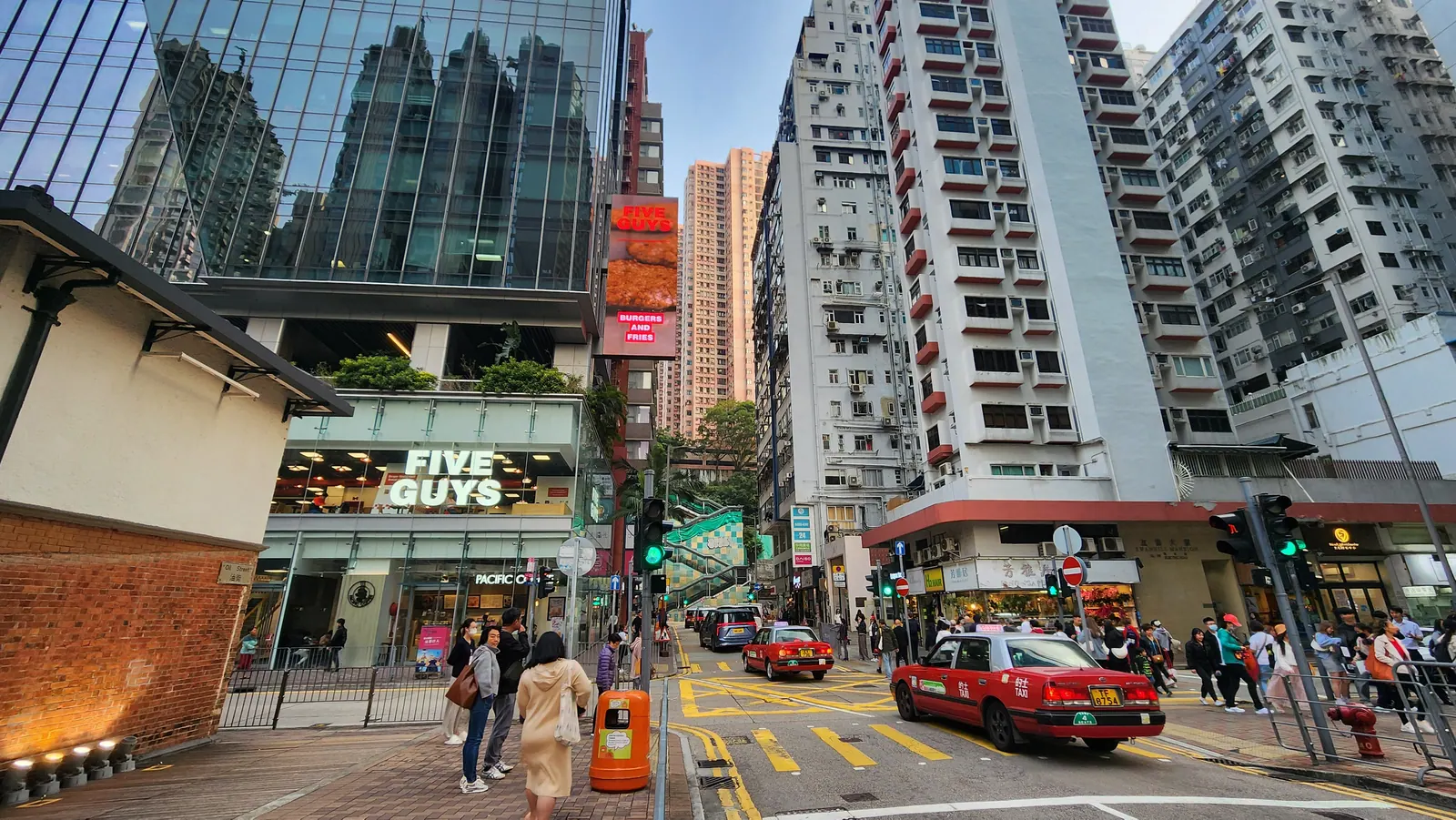
Having lived and worked in mainland China, I think I developed a particular appreciation for what makes Hong Kong different.
It's a city with deep Chinese cultural roots, but also a distinctly international character shaped by its history.
For Western travelers, I think Hong Kong can be a particularly approachable introduction to this part of Asia.
But what impressed me most wasn't simply how easy it was to visit.
It was the city itself.
I loved the architecture, the neighborhoods, the public spaces, the museums, and the incredible skyline. Even ordinary places like Southorn Playground were interesting because of their surroundings.
There's something about Hong Kong's density, geography, and mixture of architectural styles that makes it unlike almost anywhere else I've been.
And while Tokyo remains my favorite city in the world, Hong Kong is a very close second.
I genuinely enjoyed my time there, and it's one of the places I most want to revisit.
If you're planning a trip to Hong Kong, my advice would be to explore beyond the most famous attractions.
Visit the museums, walk through the neighborhoods, look up at the architecture, and spend an evening along Victoria Harbour.
Some of the best experiences come from simply exploring the city and seeing where it takes you.